Quick answer: Protein matters for repair, remodeling, immune function, and adaptation, but it does not replace carbohydrate for endurance work. The useful plan starts with total daily food, spreads meaningful servings across the day, and adds a convenient supplement only when real meals cannot cover the job.
What the evidence actually says
A 2025 Sports Medicine review argues that contemporary endurance data support roughly 1.8 g/kg/day as a practical target, with needs potentially above 2.0 g/kg/day during energy or carbohydrate restriction. The authors also note that optimal per-meal doses after endurance exercise remain less certain than in resistance training. A 2025 meta-analysis found limited benefits from protein supplements, especially when extra energy was not matched between groups.
Start with the training calendar
Needs rise when volume, impact, energy deficit, or low-carbohydrate work increases. A recovery day after a long brick still contains tissue remodeling, even if the watch calls it easy. Plan protein around the week, not only the thirty-minute post-workout window, and keep adequate energy availability at the center of the conversation.
Distribute useful servings
Three to five protein-containing meals or snacks is a sensible framework. Include a high-quality source at breakfast, lunch, dinner, and after key sessions when the next meal is distant. Exact grams per meal are not settled for every endurance context; consistency and total intake matter more than turning breakfast into laboratory arithmetic.
Carbohydrate still owns the endurance lane
When carbohydrate intake is adequate, adding protein during exercise has not shown a compelling performance or glycogen-resynthesis advantage. After closely spaced sessions, prioritize carbohydrate plus fluid and sodium, then include protein as part of the recovery meal. Do not underfuel intervals and then ask a recovery shake to negotiate with the consequences.
When a supplement earns a place
Powder can be convenient during travel, early mornings, appetite suppression, or high-volume blocks. Choose a third-party-tested product with a short ingredient list. Athletes with kidney disease, food allergy, pregnancy, eating-disorder history, or medically prescribed diets should individualize intake with qualified clinicians and sports dietitians.
Coach’s field checklist
- Estimate total daily intake from several ordinary days.
- Anchor three to five meals or snacks with protein-rich foods.
- Pair post-session protein with adequate carbohydrate when recovery is short.
- Use supplements for convenience, not to displace varied meals or clinical care.
Common mistakes
- Changing several variables at once and crediting the favorite one.
- Copying an elite protocol without matching context.
- Treating a laboratory average as an individual promise.
- Waiting until race week to test execution.
- Ignoring sleep, energy availability, illness, and training load.
Coach’s bottom line
Use evidence to frame a controlled decision, then let repeatable athlete response decide whether the idea earns a permanent place. The goal is a plan that still works when goggles fog, bottles bounce, and the legs begin submitting formal complaints.
FAQ
How much protein does a triathlete need?
A recent review proposes about 1.8 g/kg/day for endurance athletes, but energy intake, training load, age, and medical context modify the target.
Do I need protein during a long ride?
Usually carbohydrate, fluid, and sodium are the priorities. Protein during exercise has not shown a clear advantage when carbohydrate needs are met.
Is there a 30-minute recovery window?
Recovery is not a trapdoor. Eating soon is practical when another session is close, but daily intake and regular distribution matter.
Is more than 2 g/kg dangerous?
Needs and safety depend on the athlete and medical context. Higher intake is not automatically better; discuss unusual targets with a qualified professional.
Related AltaBrio guides
Image suggestions
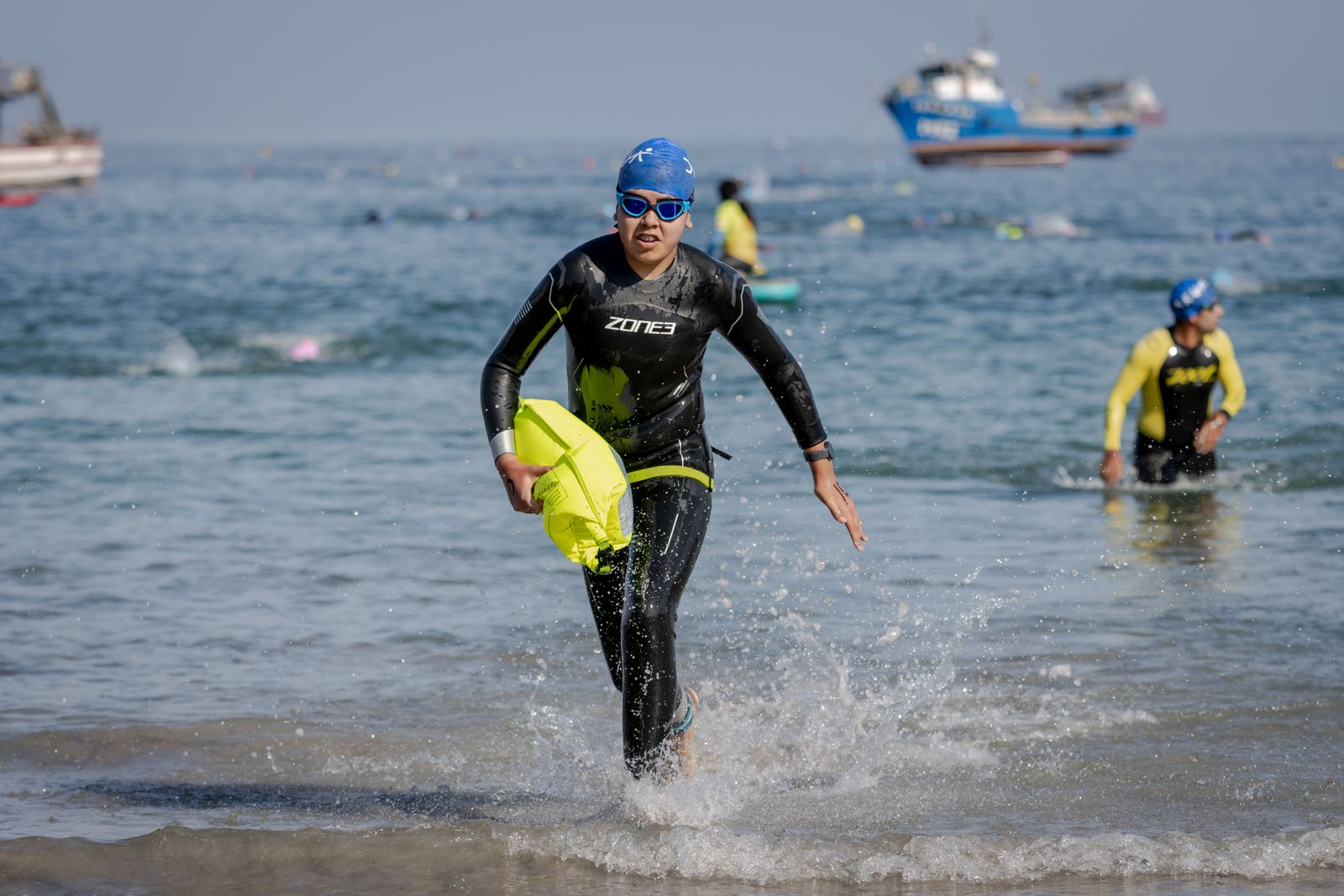
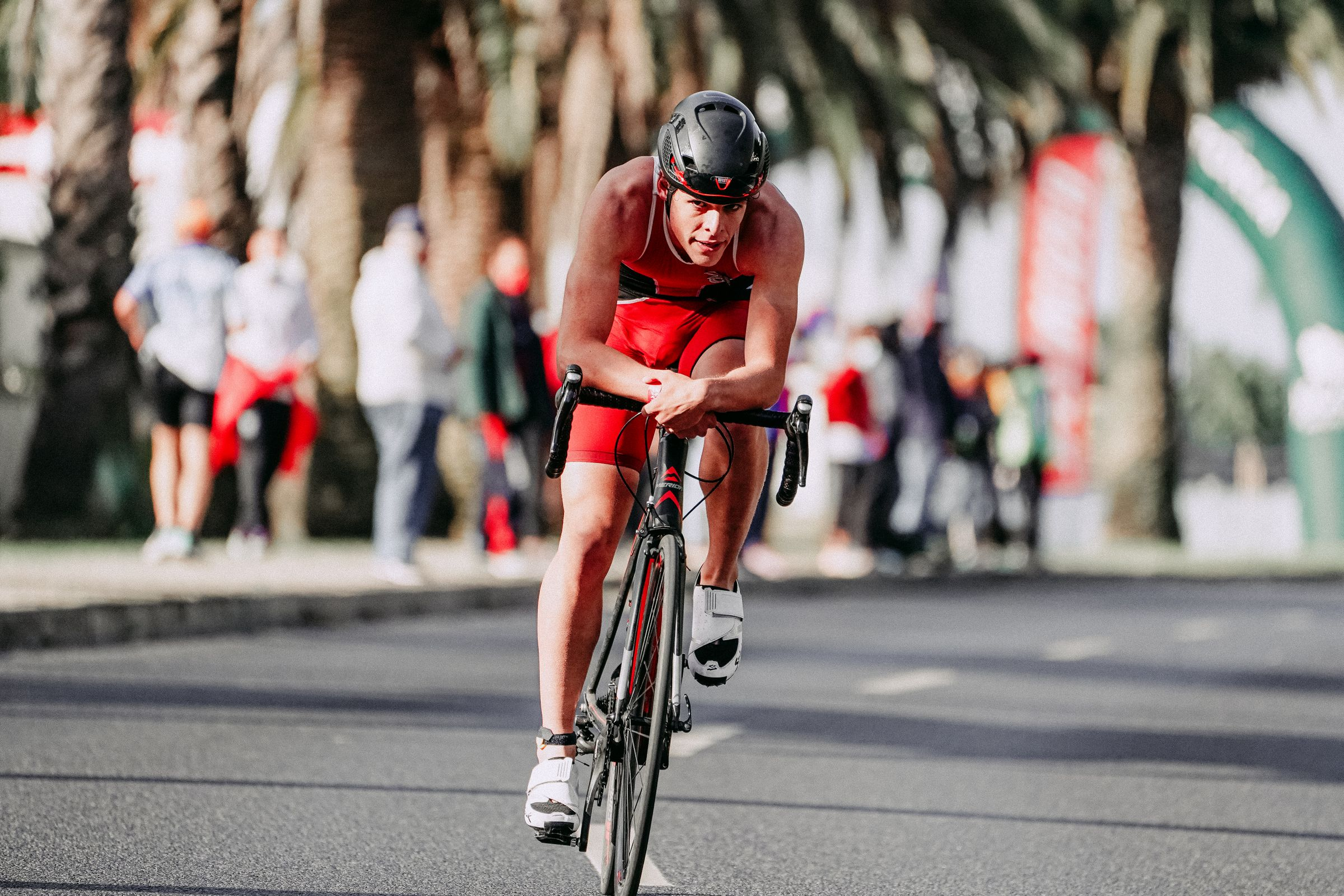
Hero image: Adult age-group triathlete and coach testing protein for triathletes.
Alt text: “Triathlete and coach testing protein for triathletes.”
Supporting graphic: Evidence, rehearsal, measurement, and decision steps.
Alt text: “Four-step decision process for protein for triathletes.”
Sources
- Protein Nutrition for Endurance Athletes. Accessed October 24, 2026.
- Protein supplementation during endurance training meta-analysis. Accessed October 24, 2026.
- Protein supplements, performance, and recovery meta-analysis. Accessed October 24, 2026.