Quick answer: The alarm rings at 3:45 a.m., and your brain responds like it has filed a protest. Sleep inertia is the temporary grogginess and impaired performance after waking. It matters when the first tasks involve driving, bike assembly, nutrition decisions, or cold-water entry. Protect sleep first, allow a generous wake window, and rehearse the exact morning rather than inventing a biochemical rescue in the hotel.
What the evidence actually says
A structured review found no convincing universal reactive cure for sleep inertia; caffeine, light, and temperature may improve alertness, but proactive planning and avoiding safety-critical work immediately after waking remain prudent. A systematic review of athlete napping suggests allowing roughly 30 minutes after a nap before performance. Acute sleep-loss evidence also shows that deprivation and late restriction can impair performance.
Protect the nights before the race
One perfect night is not always controllable, especially with travel and nerves. Prioritize several nights of adequate sleep, keep the final evening routine familiar, and avoid sacrificing bedtime to polish equipment already checked. If the start requires a much earlier wake time, shift bedtime and wake time progressively when practical.
Build a real wake buffer
Work backward from departure and add time for alertness, bathroom needs, breakfast, medication, and equipment checks. Do not wake, grab keys, and immediately drive. Put critical decisions on a written checklist prepared while fully awake. A race-morning buffer is performance equipment even though it has no carbon fiber.
Use light and caffeine deliberately
Bright light after waking may help subjective alertness. If caffeine is normally used, rehearse the same dose and timing; more is not automatically better and can worsen anxiety, heart rate, or gastrointestinal symptoms. Avoid a novel energy drink or combining several sources. Athletes with medical concerns should review caffeine with a clinician.
Warm up without confusing feeling and function
Easy movement and a progressive warm-up can reduce perceived sleepiness, but feeling awake does not prove reaction time or judgment has normalized. Complete helmet, brake, tire, and transition checks methodically. Keep early open-water entry supervised and follow event safety instructions.
Plan naps carefully
A pre-race or travel nap may help sleep opportunity, but waking immediately before a briefing, drive, or workout can backfire. Test nap length and recovery time in training. Give yourself at least 30 minutes when possible, and longer if you know deep naps leave you foggy.
Race-day decision rehearsal
Turn race-morning sleep inertia into a written if-then plan before the event. Decide what you will inspect, what early symptom or equipment change triggers a pause, who can help, and what finding ends the session. Rehearse the low-risk parts in ordinary training and record what happened. Keep the plan specific to your health, equipment, course, and professional advice. This is not pessimism; it is how experienced athletes protect decision quality when effort, noise, and sunk cost are all trying to vote.
Coach’s field checklist
- Protect sleep across several nights before the event.
- Allow a rehearsed wake window before driving or equipment work.
- Keep caffeine dose and breakfast familiar.
- Use a written checklist for safety-critical race-morning tasks.
Common mistakes
- Changing several variables at once.
- Using another athlete’s medication, equipment, or protocol.
- Treating one study average as an individual promise.
- Waiting until race week to test the plan.
- Ignoring severe, persistent, or worsening warning signs.
Coach’s bottom line
Define the guardrails, rehearse the decision in realistic conditions, and escalate symptoms that exceed normal training discomfort. The stopwatch is useful; it is not licensed to practice medicine.
FAQ
How long does sleep inertia last?
It varies with sleep stage, sleep debt, circadian timing, and the individual; plan more than a token few minutes.
Will a cold shower eliminate it?
It may change subjective alertness, but evidence does not establish a universal performance cure.
Should I take extra caffeine?
No. Use only a familiar, tolerated plan and consider medical contraindications.
Can I make up sleep with a nap?
A nap may help total sleep, but allow recovery time after waking and test the strategy before race week.
Related AltaBrio guides
- Triathlon Training Zones
- Weekly Triathlon Training Plan
- Triathlon Durability
- Return After Respiratory Illness
Image suggestions
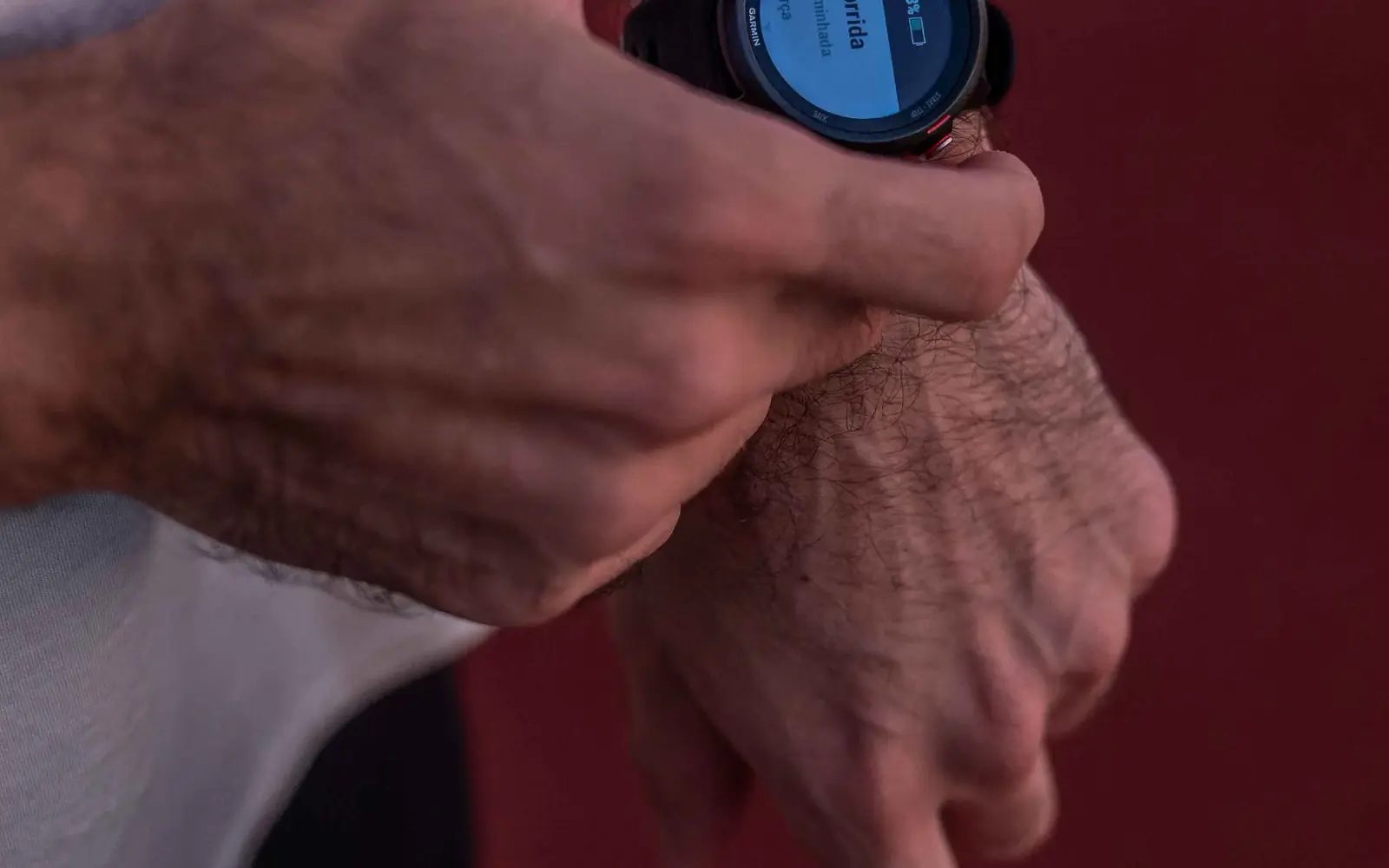
Hero image: Adult triathlete and coach addressing race-morning sleep inertia.
Alt text: “Triathlete and coach discussing race-morning sleep inertia.”
Supporting graphic: Warning signs and decision steps.
Alt text: “Decision framework for race-morning sleep inertia.”
Sources
- Reactive countermeasures to sleep inertia. Accessed November 12, 2026.
- Napping behavior and athletic performance: systematic review. Accessed November 12, 2026.
- Acute sleep loss and physical performance: meta-analysis. Accessed November 12, 2026.