Quick answer: Sodium bicarbonate can raise extracellular buffering capacity, but a stronger buffer is not automatically a faster triathlon. The best evidence favors hard efforts lasting roughly 30 seconds to 12 minutes—closer to a swim surge, steep climb, short time trial, or repeated attack than a steady five-hour race.
What the evidence actually says
The ISSN position stand reports benefits across several high-intensity exercise modes, commonly around 0.2–0.3 g/kg, while also emphasizing bloating, nausea, abdominal pain, and diarrhea. A 2025 study in trained swimmers found no improvement in 200 m or 400 m time trials despite individualized timing. A 2026 running meta-analysis found negligible overall benefit after accounting for bias and GI-related withdrawal. That is a useful warning against selling certainty by the scoop.
Where bicarbonate might fit
The most plausible triathlon use is a short, high-intensity event or a race with repeated efforts above threshold. It is less compelling for steady long-course pacing, where carbohydrate availability, aerodynamics, heat management, and restraint on the bike usually matter more. A supplement cannot buffer a pacing plan that starts with optimism and ends with walking.
Dose is only the first decision
Research often uses 0.2–0.3 g/kg taken 60–180 minutes before exercise. Larger single doses increase sodium load and commonly worsen GI symptoms without guaranteeing more benefit. Multi-day split protocols exist, but they add complexity and should be discussed with a sports dietitian or clinician, especially for athletes with hypertension, kidney disease, sodium restrictions, or interacting medications.
Run a blinded rehearsal
Use two matched sessions separated by recovery: the same warm-up, breakfast, caffeine, course, and interval set. If possible, have someone prepare bicarbonate and placebo-like trials so expectation does less of the pedaling. Record performance, RPE, GI symptoms every 30 minutes, body mass, and whether sleep or bathroom urgency was affected. A tiny power gain paired with urgent porta-potty math is not a win.
Race-week decision rule
Use it only when the benefit repeats, the target event contains an appropriate high-intensity demand, and the exact dose, product, meal, and timing have survived training. Use third-party-tested products. Never make race morning the first trial, and do not combine several unfamiliar supplements in one experiment.
Coach’s field checklist
- Confirm the target event actually includes a high-intensity demand.
- Test the lowest plausible dose during training, never first on race day.
- Track GI symptoms and performance, not blood pH alone.
- Seek clinical advice for kidney, blood-pressure, sodium, or medication concerns.
Common mistakes
- Changing several variables at once and crediting the favorite one.
- Copying an elite protocol without matching context.
- Treating a laboratory average as an individual promise.
- Waiting until race week to test execution.
- Ignoring sleep, energy availability, illness, and training load.
Coach’s bottom line
Use evidence to frame a controlled decision, then let repeatable athlete response decide whether the idea earns a permanent place. The goal is a plan that still works when goggles fog, bottles bounce, and the legs begin submitting formal complaints.
FAQ
Does baking soda improve an Ironman?
Evidence is strongest for much shorter high-intensity work. There is no good basis for promising a faster long-course result.
How much is normally studied?
Single-dose studies commonly use 0.2–0.3 g/kg, but individual tolerance and medical context matter.
Can I combine it with caffeine?
Additive benefit is unclear, while combined GI and stimulation effects can complicate the trial. Test one variable at a time.
What side effects matter?
Bloating, nausea, abdominal pain, diarrhea, and vomiting can erase any theoretical benefit and may require stopping.
Related AltaBrio guides
Image suggestions
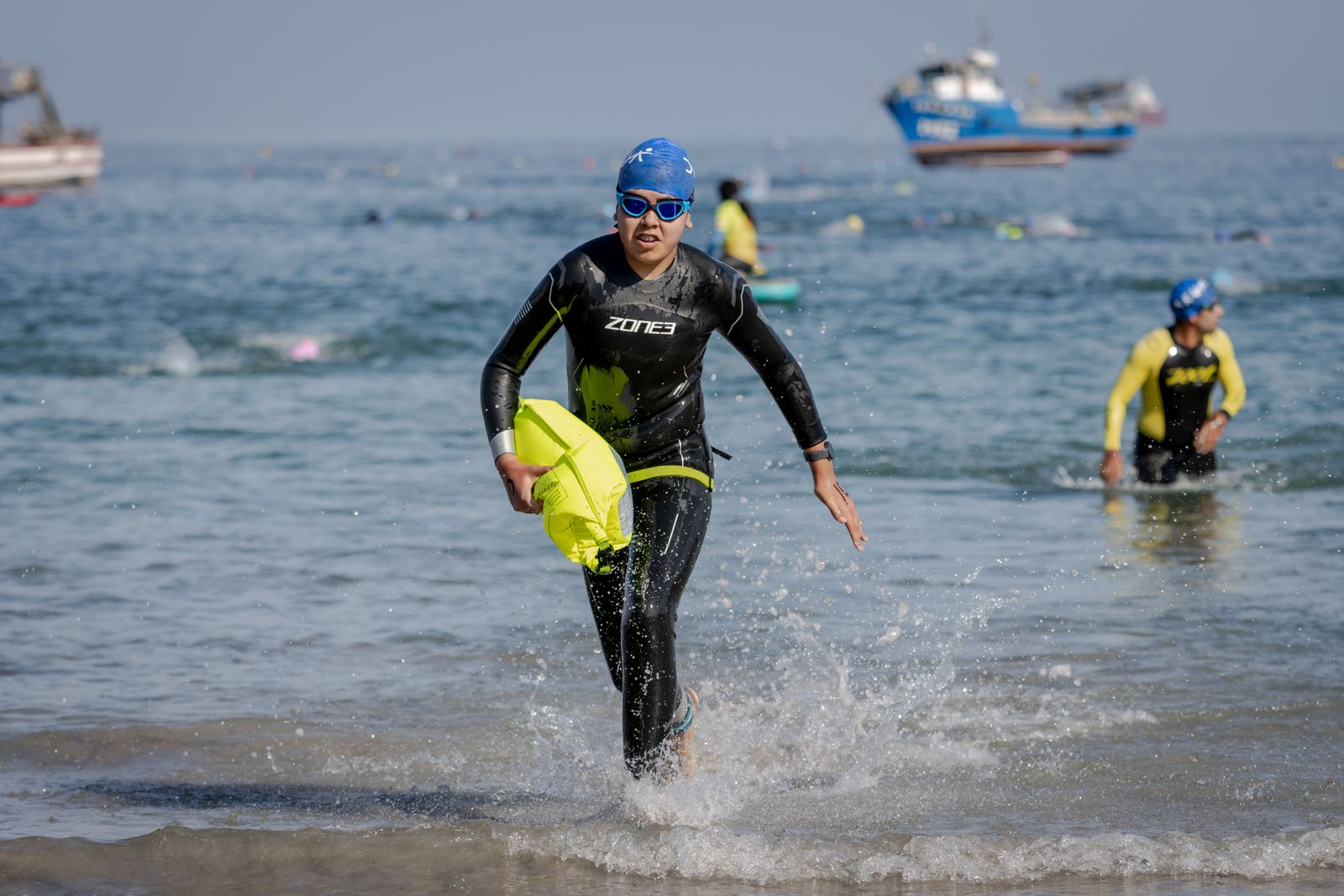
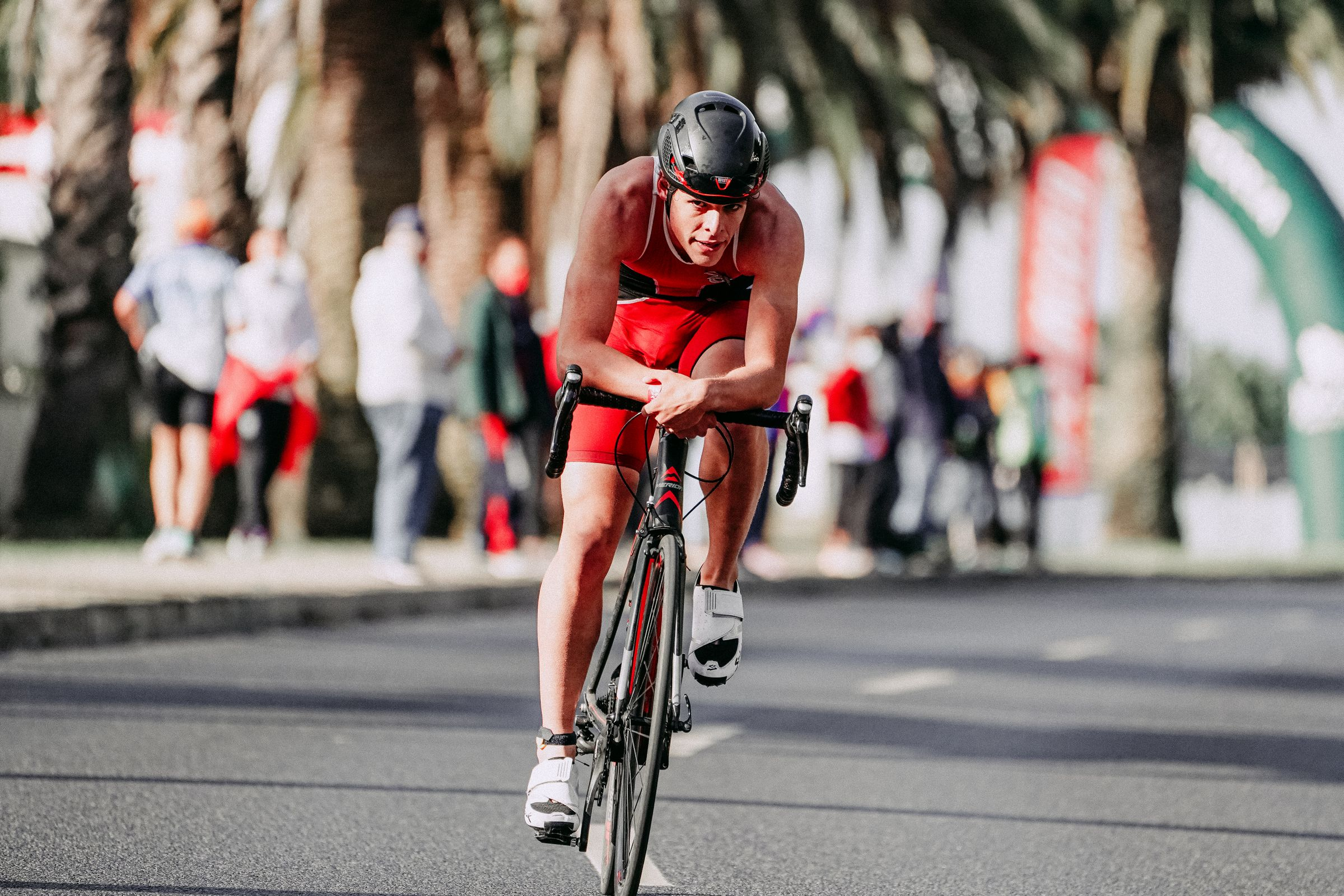
Hero image: Adult age-group triathlete and coach testing sodium bicarbonate for triathletes.
Alt text: “Triathlete and coach testing sodium bicarbonate for triathletes.”
Supporting graphic: Evidence, rehearsal, measurement, and decision steps.
Alt text: “Four-step decision process for sodium bicarbonate for triathletes.”
Sources
- ISSN position stand on sodium bicarbonate. Accessed October 24, 2026.
- Individualized sodium bicarbonate in trained swimmers. Accessed October 24, 2026.
- Sodium bicarbonate and continuous running meta-analysis. Accessed October 24, 2026.