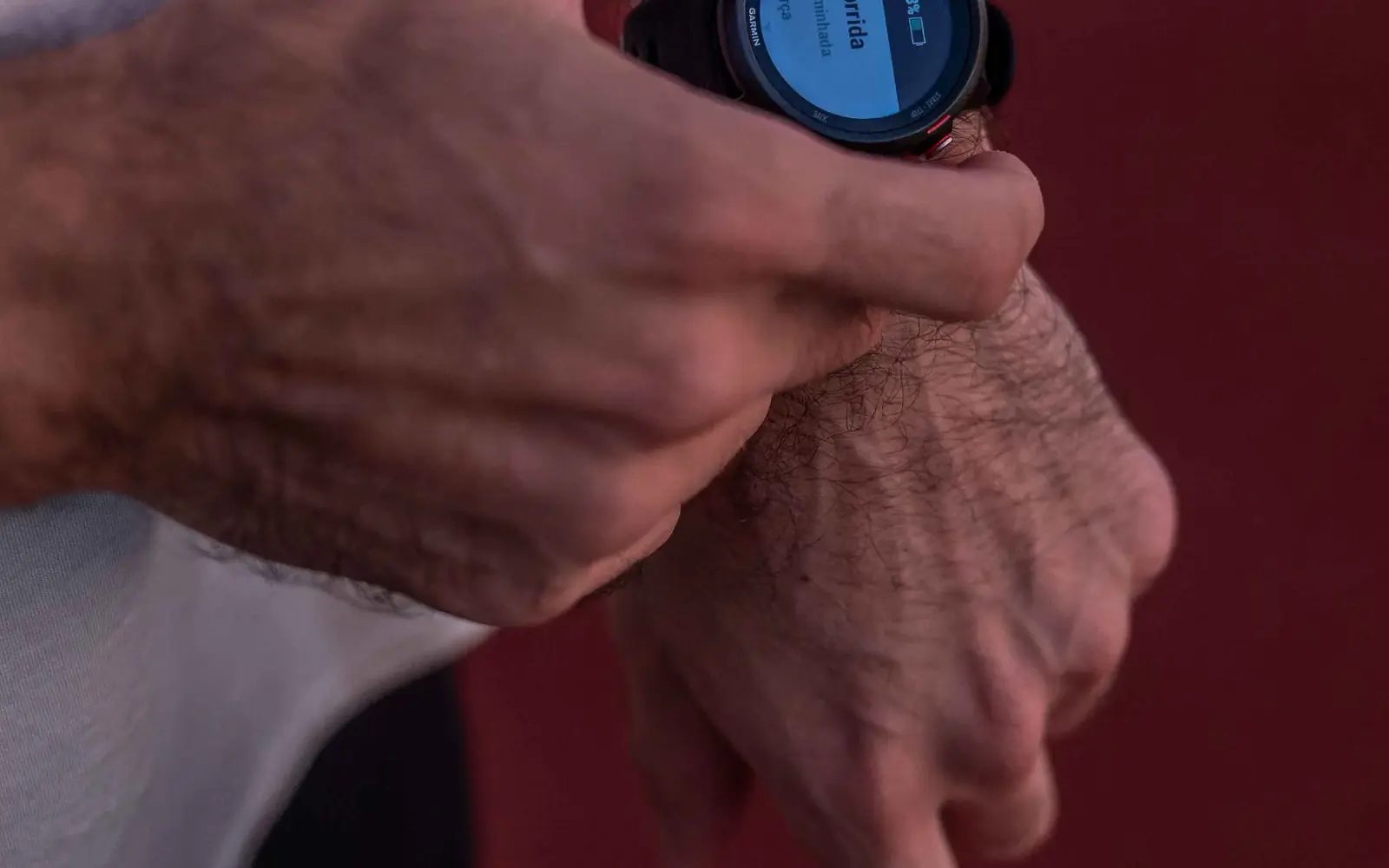
Quick answer: Cold air can make hydration feel optional while layered clothing quietly keeps sweat production very real. The answer is not to force summer drinking numbers into a winter ride. It is to measure what changes, keep bottles usable, drink according to a rehearsed plan and thirst, and remember that too much fluid remains a medical risk in cold conditions.
What the evidence actually says
The National Athletic Trainers’ Association position statement recommends individualized fluid practices that avoid both hypohydration and hyperhydration, using environment-specific sweat information rather than one universal prescription. Older controlled cold-environment work found greater strain and earlier exhaustion when dehydrated, while rehydration improved responses; its extreme temperatures and small laboratory context limit direct translation to ordinary winter triathlon training. The hyponatremia consensus adds the essential counterweight: do not drink beyond the body’s ability to clear fluid.
Measure the winter session you actually do
Sweat rate can change with temperature, wind, intensity, indoor-to-outdoor transitions, and clothing. Weigh selectively before and after representative rides or runs, accounting for consumed fluid and bathroom stops. Repeat across conditions. Do not assume winter loss is zero, and do not convert one measurement into a permanent hourly command.
Audit clothing before blaming hydration
Overdressing traps heat and sweat. Start slightly cool, use venting and removable layers, and keep hands warm enough to operate bottles safely. Wet base layers can increase cooling when intensity drops. A clothing problem can produce both excess sweating uphill and rapid chilling downhill—the sort of two-for-one deal nobody ordered.
Keep fluid accessible and palatable
Insulated bottles, warm or room-temperature drink, protected hoses, and planned refill points may improve intake. Check whether carbohydrate concentration changes in the cold and whether a bottle will freeze during the expected exposure. If drinking requires a wrestling match with gloves every fifteen minutes, the plan needs better engineering.
Balance dehydration and overdrinking
Thirst may feel muted in cold conditions, but forcing large volumes can still lead to bloating and hyponatremia. Use a flexible range informed by training, drink to thirst within that framework, and watch body-mass trends during longer rehearsals. Sodium supports some plans but does not cancel excessive water intake.
Know cold-specific stop signs
Confusion, loss of coordination, slurred speech, uncontrollable shivering that later stops, chest pain, severe shortness of breath, or altered behavior requires urgent action. Move out of exposure, use event or emergency medical help, and do not assume every headache or nausea episode is “just dehydration.”
Coach’s field checklist
- Test sweat and drinking patterns in representative cold conditions.
- Use layers and venting to avoid unnecessary sweat accumulation.
- Keep bottles operable, protected, and easy to drink from with gloves.
- Avoid both forced overdrinking and ignoring worsening cold-illness symptoms.
Common mistakes
- Changing several variables at once and crediting the favorite one.
- Copying an elite protocol without matching course, duration, health, or training history.
- Treating a small study average as a promise to an individual athlete.
- Waiting until race week to test execution.
- Ignoring new or worsening medical warning signs because the workout matters.
Coach’s bottom line
Use evidence to define the guardrails, rehearse the decision in conditions that resemble the race, and keep the plan flexible enough for the human inside it. The stopwatch is useful. It is not licensed to practice medicine.
FAQ
Do I sweat less in winter?
Often, but not always. Intensity, layers, wind, humidity, and individual physiology can still produce substantial losses.
Should I drink the same amount as in summer?
No. Build a cold-specific range from representative training rather than copying a hot-weather number.
Are warm drinks better?
They may improve comfort and access, but temperature preference does not replace appropriate total intake and fueling.
Can hyponatremia happen in cold weather?
Yes. Long duration and excessive fluid intake can produce hyponatremia even when heat is not the main concern.
Related AltaBrio guides
- Triathlon Training Zones
- Weekly Triathlon Training Plan
- Gut Training for Triathletes
- Hot-Weather Hydration
Image suggestions
Hero image: Adult age-group triathlete and coach working on cold-weather hydration for triathletes.
Alt text: “Triathlete and coach discussing cold-weather hydration for triathletes.”
Supporting graphic: Risk signals, rehearsal, measurement, and decision steps.
Alt text: “Decision framework for cold-weather hydration for triathletes.”
Sources
- NATA position statement on fluid replacement. Accessed November 11, 2026.
- Water balance and physical performance in cold. Accessed November 11, 2026.
- Exercise-associated hyponatremia consensus statement. Accessed November 11, 2026.