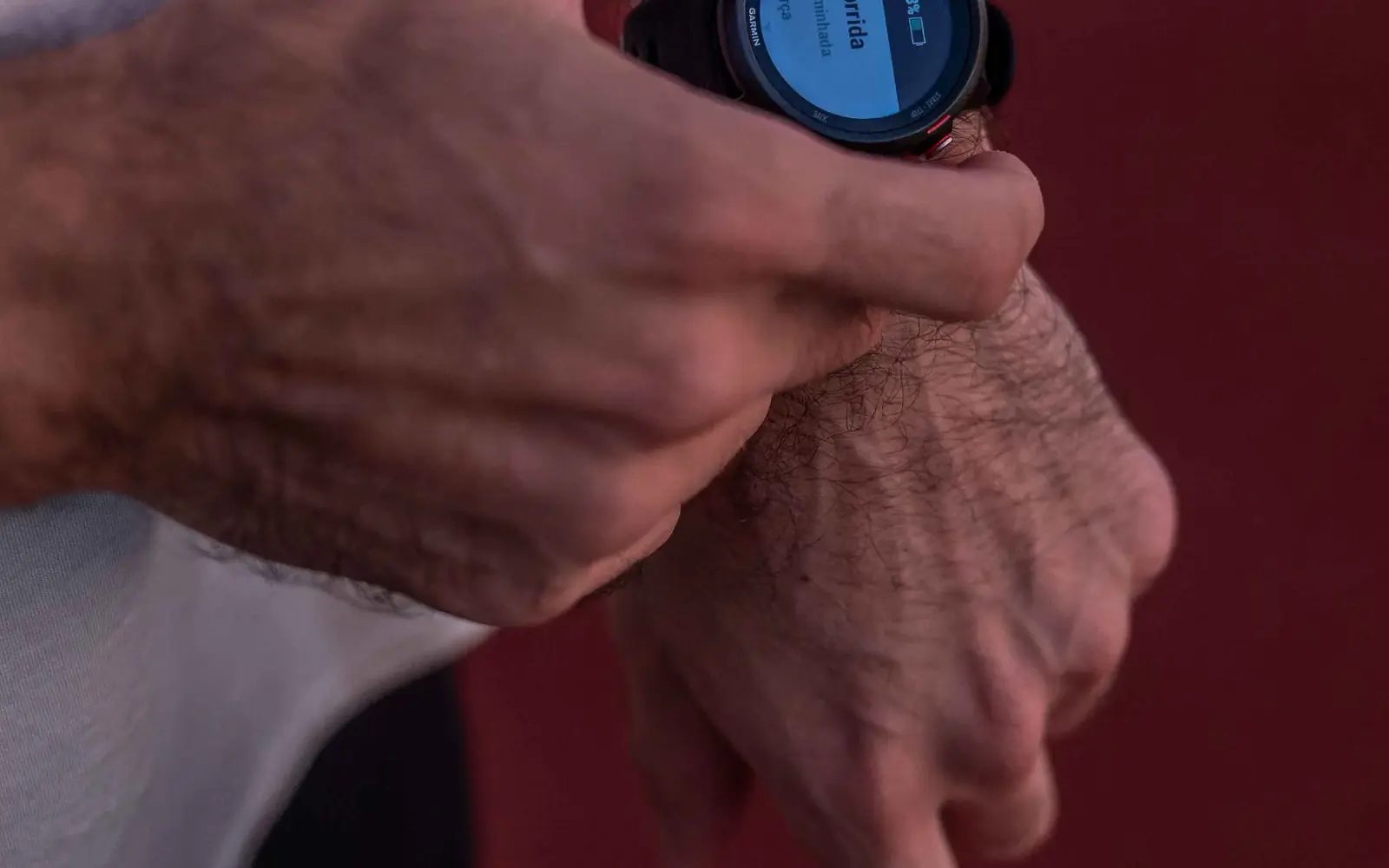
Quick answer: A planned walk break is pacing. An unplanned twenty-minute hike after detonating at kilometer 24 is consequences. For long-course triathletes, short walks can support cooling, fueling, and form—but only when the pattern is trained, the average pace is calculated, and the bike has not already spent the run budget.
What the evidence actually says
In a randomized marathon study of 42 recreational runners, a run-walk group and a continuous-running group finished in statistically similar times; the result does not prove run-walk is faster, and the race was not a triathlon. Marathon pacing reviews consistently show that large late-race slowdowns are common and that steadier distributions tend to accompany better outcomes. Recent large split-data analysis likewise associated even pacing with faster finishes than strong positive splits. The practical target is controlled average speed, not uninterrupted running as a moral achievement.
Start with target average pace
Calculate the total pace including every walk, aid-station stop, toilet visit, hill, and shoe adjustment. A strategy of nine minutes running and one minute walking only works if the running pace does not become an interval session. Compare several ratios on paper, then test the exact pattern late in long bricks.
Attach walks to useful landmarks
Aid stations are often logical because athletes can drink without redecorating themselves with sports drink. Steep hills, heat-exposed sections, or known technical patches may also work. Choose cues available on race day. Random walking whenever discomfort appears makes the plan drift and can turn a short reset into a slow negotiation with every next cone.
Make the bike earn the run
No run-walk ratio rescues an overbiked race. Set bike power or effort caps, fuel consistently, and keep the final bike segment controlled enough to begin the run near the intended rhythm. If the first run segments are dramatically faster than plan, walking breaks may simply hide an aggressive average pace.
Practice the restart
Many athletes walk well and restart poorly. Rehearse a relaxed transition back to running: tall posture, short steps, patient acceleration, and no sprint to recover “lost” seconds. Track whether repeated restarts tighten calves, hamstrings, or hip flexors, then adjust ratio and speed before race week.
Write escalation and stop rules
A planned walk can manage effort; it is not treatment for chest pain, confusion, collapse, severe shortness of breath, focal bone pain, or heat-illness signs. For ordinary fatigue, lengthen the next planned break or reduce run pace before the form disintegrates. For medical warning signs, stop and use event medical support.
Coach’s field checklist
- Calculate average pace including every planned walk.
- Practice the exact ratio after race-specific bike sessions.
- Use repeatable landmarks such as aid stations or selected hills.
- Protect the run with bike pacing, fueling, cooling, and medical stop rules.
Common mistakes
- Changing several variables at once and crediting the favorite one.
- Copying an elite protocol without matching course, duration, health, or training history.
- Treating a small study average as a promise to an individual athlete.
- Waiting until race week to test execution.
- Ignoring new or worsening medical warning signs because the workout matters.
Coach’s bottom line
Use evidence to define the guardrails, rehearse the decision in conditions that resemble the race, and keep the plan flexible enough for the human inside it. The stopwatch is useful. It is not licensed to practice medicine.
FAQ
Will run-walk make me slower?
Not necessarily, but it is not automatically faster. The result depends on running pace, walk duration, terrain, fitness, and execution.
When should walking begin?
Begin at the planned point, often the first suitable aid station, rather than waiting for a collapse that changes the purpose of the strategy.
What ratio should I use?
There is no universal ratio. Compare options in training and judge total pace, fueling, temperature, form, and restart quality.
Should strong runners ever walk?
Yes, if a brief planned walk improves aid-station execution or controls a specific course demand without harming average pace.
Related AltaBrio guides
- Triathlon Training Zones
- Weekly Triathlon Training Plan
- Gut Training for Triathletes
- Hot-Weather Hydration
Image suggestions
Hero image: Adult age-group triathlete and coach working on run-walk strategy for triathlon.
Alt text: “Triathlete and coach discussing run-walk strategy for triathlon.”
Supporting graphic: Risk signals, rehearsal, measurement, and decision steps.
Alt text: “Decision framework for run-walk strategy for triathlon.”
Sources
- Run-walk strategy and cardiac stress during a marathon. Accessed November 11, 2026.
- Pacing strategies in marathons systematic review. Accessed November 11, 2026.
- Large-scale analysis of marathon pacing and performance. Accessed November 11, 2026.