Quick answer: Breathing muscles can be trained, but feeling out of breath does not prove they are the limiter. Inspiratory muscle training is an accessory session with a specific load; it is not a substitute for swim technique, aerobic development, asthma care, or sane pacing.
What the evidence actually says
A 2025 meta-analysis across 25 athlete studies found improvements in maximal inspiratory pressure and some pulmonary measures, but rated the evidence very low to low quality. A separate 2025 swimming meta-analysis reported improved performance across ten controlled studies, typically using six to eight weeks at 50–80% of maximal inspiratory pressure. Protocols varied widely, limiting confidence in one best dose.
Who might consider a trial
A reasonable candidate has stable training, no unexplained respiratory symptoms, and a repeatable performance problem such as breathlessness during sustained swimming despite sound technique and pacing. Exercise-induced bronchoconstriction, infection, chest pain, wheeze, or unexplained exercise intolerance requires clinical assessment—not stronger gadget settings.
A conservative six-week protocol
Use a validated threshold device and establish maximal inspiratory pressure according to its instructions or with professional support. Begin around the low end of researched loading, often two sets of 30 breaths on five days per week, and progress only when technique remains controlled. The exact prescription should follow the device evidence and athlete response. Avoid maximal loading before key races or swim tests.
Measure more than lung numbers
Record device load, completion, perceived breathing effort, and adverse symptoms. Retest a standardized swim such as 8 × 100 at controlled pace with fixed rest, comparing stroke rate, RPE, and breathing control. A higher inspiratory-pressure score is interesting; a repeatable improvement in the athlete’s actual limiter is useful.
Keep it in its lane
Respiratory training adds work and compliance burden. If it crowds out pool technique, sleep, strength, or easy aerobic volume, the opportunity cost may exceed the benefit. Six weeks is long enough for a fair trial. Keep it if the effect repeats; otherwise reclaim the ten minutes and move on without ceremony.
Coach’s field checklist
- Screen unexplained wheeze, chest symptoms, or exercise intolerance clinically.
- Use a validated threshold device and consistent technique.
- Track both inspiratory strength and a repeatable swim outcome.
- Progress gradually and stop for dizziness, chest pain, or abnormal breathlessness.
Common mistakes
- Changing several variables at once and crediting the favorite one.
- Copying an elite protocol without matching context.
- Treating a laboratory average as an individual promise.
- Waiting until race week to test execution.
- Ignoring sleep, energy availability, illness, and training load.
Coach’s bottom line
Use evidence to frame a controlled decision, then let repeatable athlete response decide whether the idea earns a permanent place. The goal is a plan that still works when goggles fog, bottles bounce, and the legs begin submitting formal complaints.
FAQ
Is this the same as breath-hold training?
No. Inspiratory muscle training loads the muscles used to inhale; breath holding changes gas exposure and carries different risks.
How long before I judge it?
Most swimming studies used roughly six to eight weeks. Decide in advance what outcome would make the trial worthwhile.
Will it raise VO2 max?
It may improve respiratory-muscle strength, but whole-body performance effects are less certain and depend on the athlete’s true limiter.
Can it treat asthma?
No. Asthma and exercise-induced bronchoconstriction require medical diagnosis and treatment.
Related AltaBrio guides
Image suggestions
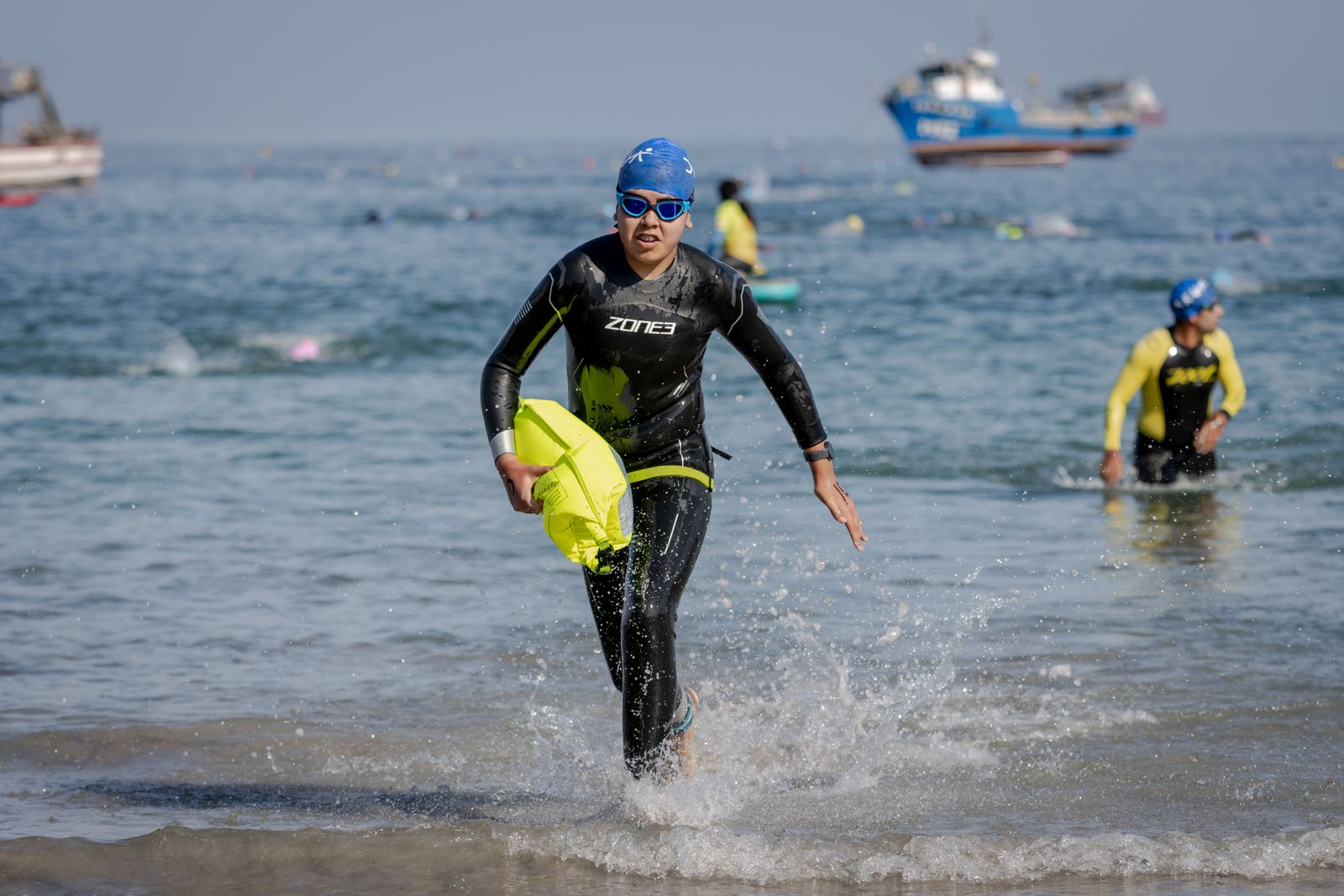
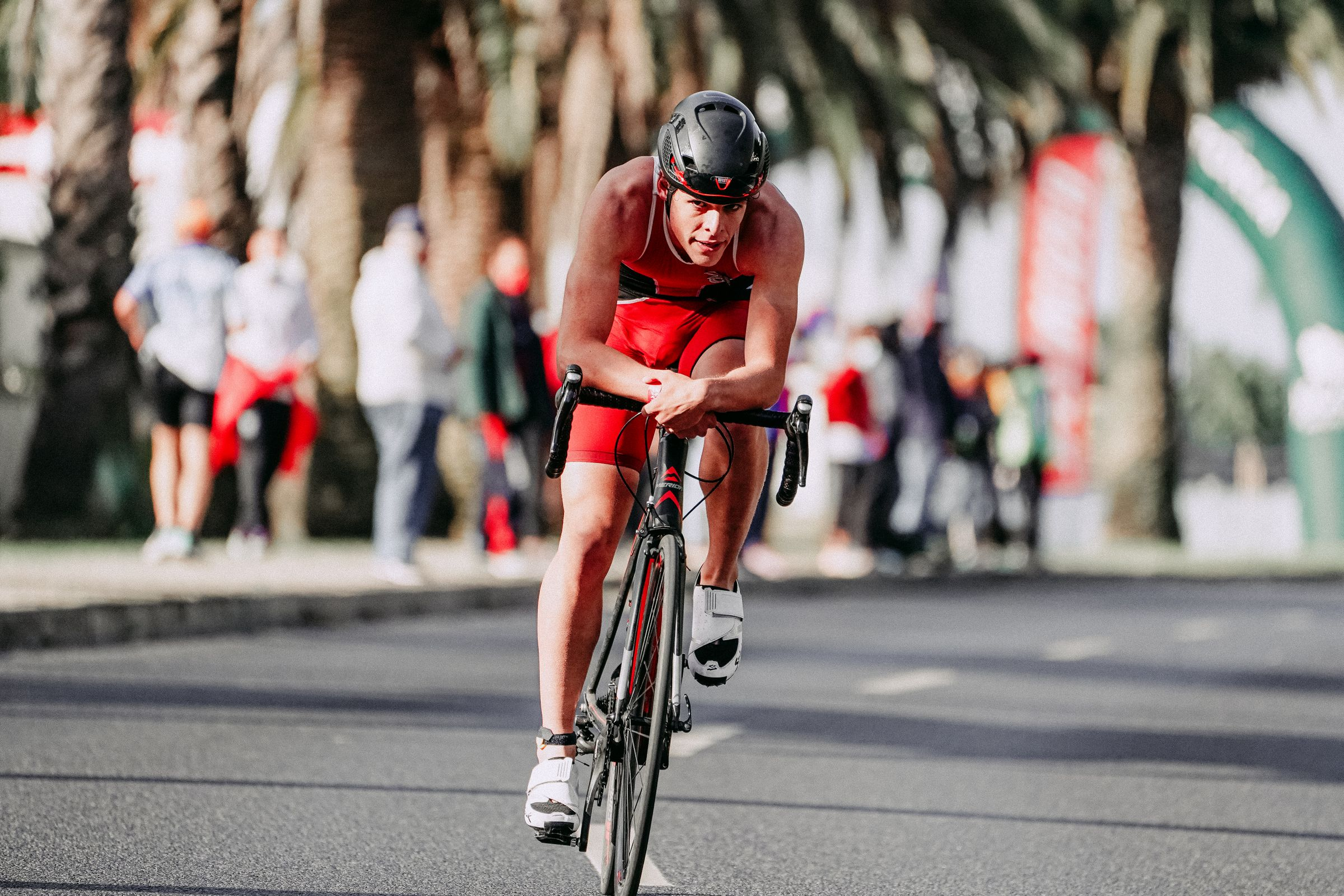
Hero image: Adult age-group triathlete and coach testing inspiratory muscle training for triathletes.
Alt text: “Triathlete and coach testing inspiratory muscle training for triathletes.”
Supporting graphic: Evidence, rehearsal, measurement, and decision steps.
Alt text: “Four-step decision process for inspiratory muscle training for triathletes.”
Sources
- Respiratory muscular training in athletes meta-analysis. Accessed October 24, 2026.
- Respiratory muscle training and swimming performance meta-analysis. Accessed October 24, 2026.