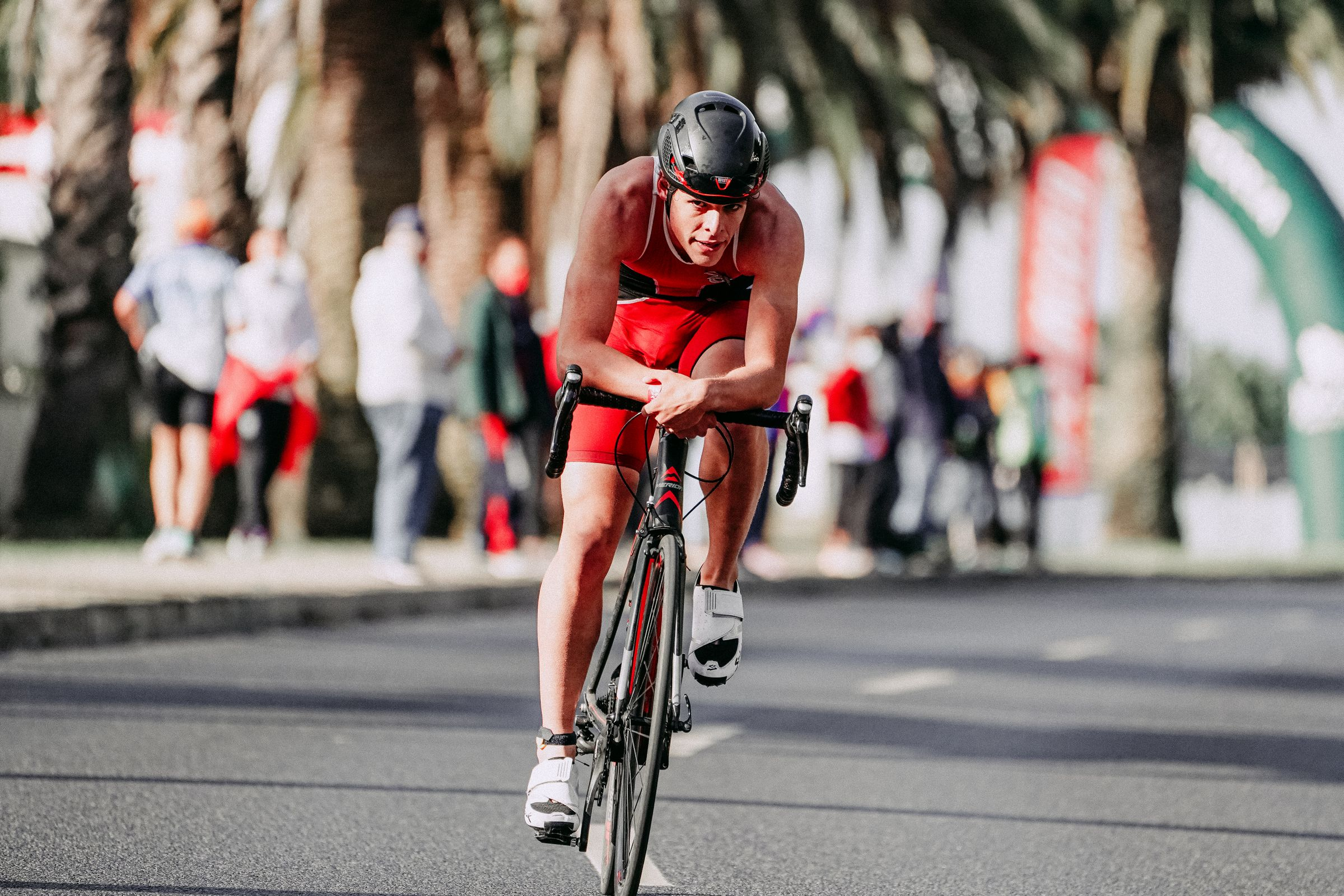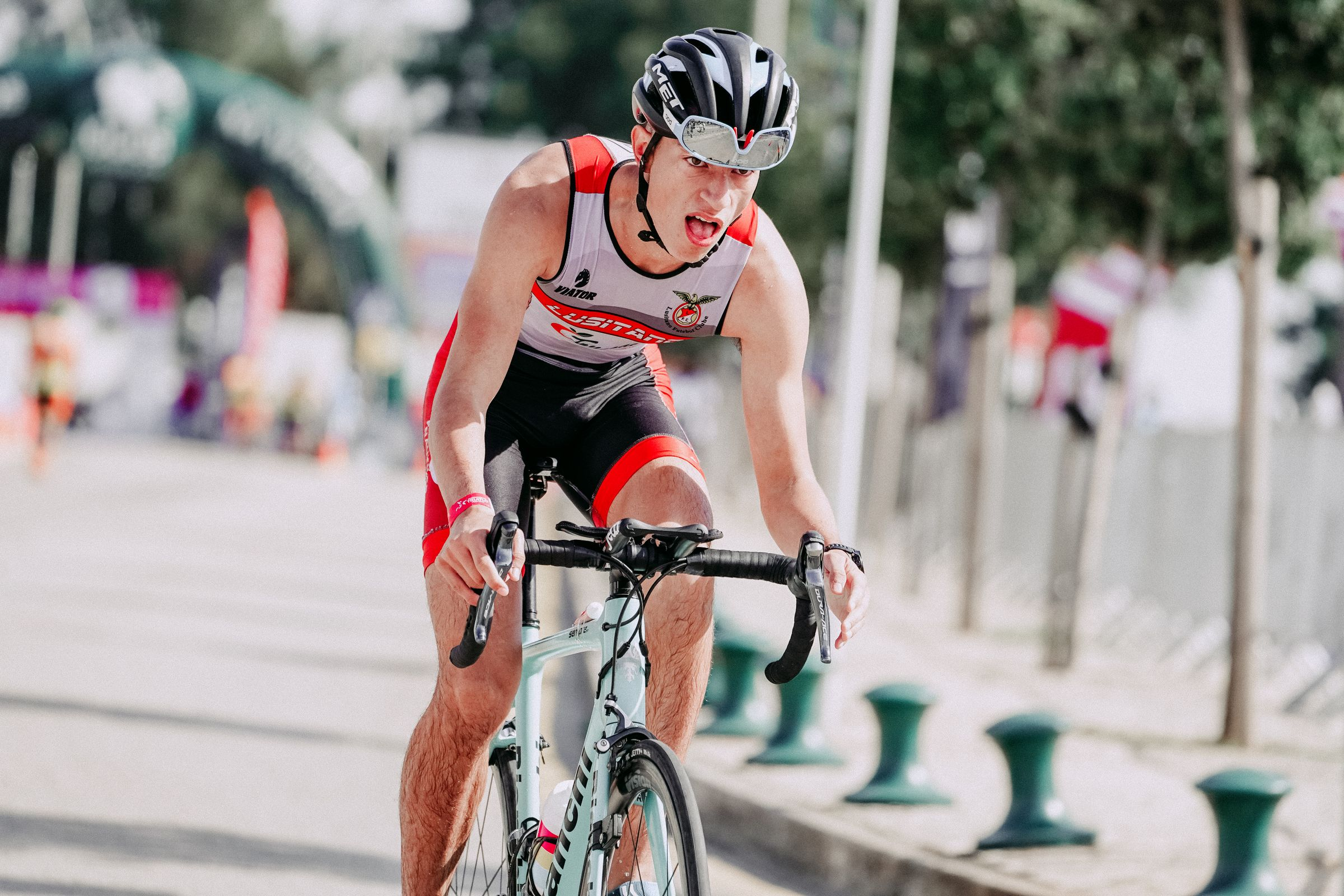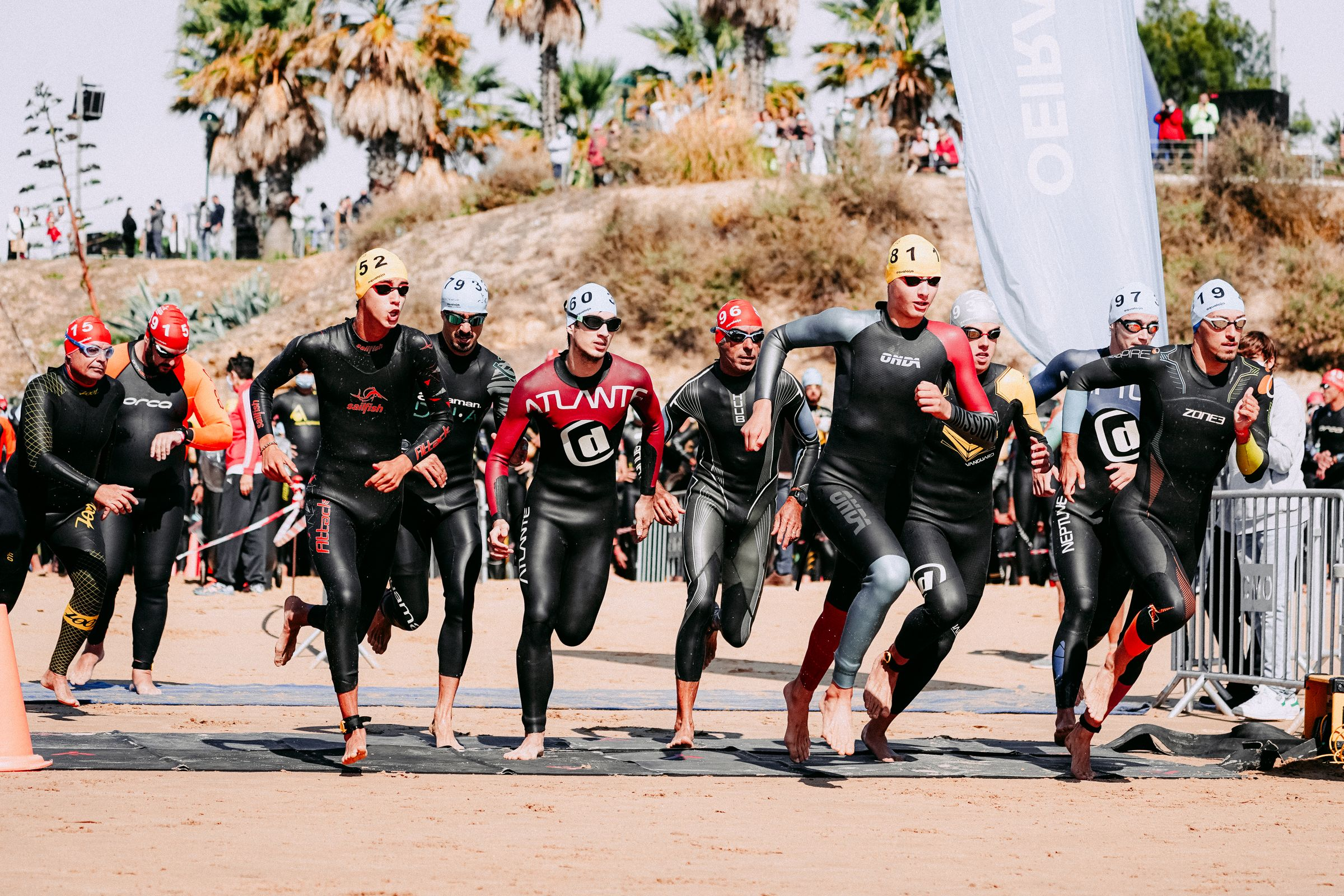

Quick answer: Return to triathlon training after a respiratory illness only when you feel well enough for normal daily activity and have no medical red flags. Begin with a short, easy exercise challenge. Monitor how you feel during the session and for 24 hours afterward. If symptoms do not worsen, increase one variable at a time—first frequency, then duration, then intensity. Chest pain, unusual breathlessness, palpitations, fainting, or a marked relapse are reasons to stop and seek medical advice.
Triathletes dislike blank squares on the training calendar. Unfortunately, your immune system has never seen your TrainingPeaks color scheme and remains unmoved by it.
The goal after a cold, influenza, COVID-19, or another acute respiratory infection is not to “make up” missed sessions. It is to restore normal training without provoking a symptom relapse, hiding a complication, or stacking hard work onto a body that is still recovering. This is general coaching education, not individual medical advice. Severe illness, underlying heart or lung disease, pregnancy, or persistent symptoms deserve clinician-guided decisions.
What the current evidence says
The 2022 International Olympic Committee consensus recommends that return-to-sport decisions consider illness severity, the athlete’s health risks, the demands of the activity, and tolerance for risk. It supports a graded exercise challenge followed by ongoing symptom monitoring rather than a single magic number of rest days (IOC consensus).
A 2026 prospective cohort followed 114 athletes with laboratory-confirmed respiratory infections. Median time was 3.5 days to return to some training, 8 days to full training, and 11 days to full performance. Influenza and SARS-CoV-2, more severe illness, and amateur status were associated with longer return timelines (AWARE X study). Those are group medians, not deadlines. Your result can be shorter or longer.
Earlier systematic-review evidence found limited high-quality return-to-sport data, with respiratory-illness symptoms averaging about seven days and roughly one in five episodes causing more than one day of training loss (systematic review). The useful message is simple: recovery varies, and symptom severity matters.
First, check for reasons not to train
Do not use an easy workout to diagnose a potentially serious problem. Pause training and seek appropriate medical evaluation for:
- chest pain, pressure, fainting, or new palpitations;
- breathlessness that is unusual at rest or with easy daily activity;
- confusion, blue or gray lips, or rapidly worsening symptoms;
- dehydration you cannot correct, persistent high fever, or repeated vomiting;
- a resting heart rate dramatically above your normal pattern with systemic symptoms;
- symptoms that improve and then sharply worsen;
- clinician instructions to avoid exercise.
Also be conservative when returning after pneumonia, mononucleosis, myocarditis, or a severe infection. These are not “neck check and jog” situations.
The triathlete’s readiness checklist
Before the first test session, ask:
- Can I complete normal daily tasks without unusual fatigue or breathlessness?
- Am I eating and drinking normally?
- Is fever gone without fever-reducing medication?
- Are symptoms stable or improving rather than worsening?
- Did a clinician give me specific restrictions?
If the answers support a return and no red flags are present, start with an exercise challenge—not a workout worthy of a race report.
Step 1: Perform an easy exercise challenge
Choose a controllable activity for 10–20 minutes at conversational effort, roughly RPE 2–3 out of 10. An indoor spin or flat walk-jog is usually easier to stop than an open-water swim or a remote trail run. Keep intensity below your normal aerobic-training pace.
Monitor for unusual breathlessness, chest symptoms, dizziness, palpitations, excessive fatigue, muscle or joint pain, headache, or a feeling that effort is wildly out of proportion to pace or power. Check again immediately afterward and later that day. The IOC clinical guide emphasizes both an exercise challenge and post-exercise monitoring (IOC infographic).
If symptoms worsen, stop, recover, and reassess. Do not negotiate with the data because the bike is already on the trainer.
Step 2: Use a four-stage swim-bike-run progression
Advance only after the previous stage produces no meaningful symptom flare during the session or over the following 24 hours.
Stage A: Easy movement
Complete 15–30 minutes at RPE 2–3. Walk-jog, spin easily, or swim relaxed with generous rest. Skip breath-control sets and long underwater work.
Stage B: Easy aerobic training
Build to 30–60 minutes at RPE 3–4. Keep the route flat and the set simple. Stop before fatigue becomes the defining feature.
Stage C: Moderate work and normal frequency
Restore your usual number of weekly sessions before restoring their full difficulty. Add short controlled efforts around RPE 5–6, such as 4–6 × 2 minutes with easy recovery. Avoid maximal testing.
Stage D: Sport-specific intensity
Reintroduce threshold work, long bricks, group rides, and race-specific sessions one at a time. Keep at least 24 hours between demanding sessions until your response is predictable.
Which discipline should come back first?
Swim
Pool swimming is controlled, but congestion, chlorine irritation, and breath timing can make respiratory symptoms more noticeable. Start short, choose a quiet lane, and avoid hard hypoxic sets. Do not attend a shared pool while you may still be contagious; follow current public-health and facility guidance.
Bike
An indoor bike offers precise control and an immediate exit. Use power and heart rate as context, not commandments. If 120 watts feels like your old 220, the answer is not a motivational podcast.
Run
Running has higher impact and often produces greater ventilatory strain than easy cycling. A walk-run return can control both. Use a flat loop near home and stop if form deteriorates.
Brick workouts
Bring bricks back after single-discipline easy sessions feel normal. Begin with an easy 30–45 minute bike plus a 5–10 minute relaxed run. The purpose is transition tolerance, not fitness proof.
How quickly should training load return?
There is no evidence-based percentage rule that fits every infection and athlete. Use four controls:
- Frequency: restore how often you train.
- Duration: then restore session length.
- Intensity: add hard work last.
- Density: avoid clustering demanding sessions.
Do not compensate for illness by cramming missed volume into the next week. Fitness loss from several easy days is usually smaller than the cost of a relapse. Resume from your current capacity, not from the calendar’s opinion of you.
What about heart rate, HRV, and wearables?
Wearables can support the decision but cannot clear you medically. Compare resting heart rate, HRV, sleep, perceived fatigue, and easy-session pace or power with your own baseline. A single strange reading may be noise. A cluster of poor sleep, high resting heart rate, suppressed performance, and worsening symptoms is more useful.
The decisive signal is the whole picture: symptoms, daily function, response to easy exercise, and recovery afterward.
Race-week illness
Do not turn race entry fees into medical evidence. If illness arrives near race day, assess severity, contagion, red flags, travel stress, environmental conditions, and the consequences of being stranded mid-course. A sprint triathlon is not automatically safe because it is shorter; it can still demand near-maximal effort.
When in doubt, involve a sports-medicine clinician. Missing one start line is frustrating. Extending illness for weeks is worse.
Coach’s bottom line
Wait until daily function is normalizing, screen for red flags, test easy exercise, and judge the next 24 hours. Rebuild frequency and duration before intensity. Let symptoms and recovery—not guilt—set the pace.
FAQ
Can I train with a head cold?
Mild, improving symptoms may allow a short easy exercise challenge if no red flags are present, but the old “above-the-neck” rule is too simplistic. Consider overall severity, fever, systemic symptoms, underlying conditions, and how you respond during and after easy exercise.
How many days after flu can I exercise?
There is no universal number. The 2026 AWARE X cohort found longer return times after influenza than rhinovirus. Resume only when daily function and symptoms support it, then progress gradually.
Should I use heart rate to guide my return?
Use it alongside RPE, symptoms, pace or power, sleep, and post-session recovery. An unusually high heart rate at easy effort is a reason to reduce or stop, not a stand-alone diagnosis.
When can I do intervals again?
After easy sessions and moderate controlled work produce no meaningful symptom flare during the following 24 hours. Add one demanding session, evaluate the response, and avoid stacking intensity.
Should I make up missed workouts?
No. Restart from current capacity and protect consistency. Cramming missed volume or intensity into the next week increases fatigue without restoring the lost adaptation on demand.
Related AltaBrio training guides
- Weekly Triathlon Training Plan
- Triathlon Training Zones
- HRV for Smarter Triathlon Training
- Gut Training for Triathletes
Sources
- Schwellnus M, et al. IOC consensus statement on acute respiratory illness in athletes, part 1. *Br J Sports Med*. 2022.
- Jooste M, et al. Factors associated with return-to-sport outcomes following pathogen-confirmed acute respiratory infections in athletes: AWARE X. *Br J Sports Med*. 2026;60(14):1028–1035.
- Snyders C, et al. Acute respiratory illness and return to sport: systematic review and meta-analysis. *Br J Sports Med*. 2022;56:223–231.
- Hull JH, et al. IOC clinical decision-making infographic for acute respiratory illness in athletes. *Br J Sports Med*. 2024.