Quick answer: A headache during a hard climb or interval can be a primary exercise headache, but that label comes after dangerous causes are excluded. A first sudden exertional headache—especially a thunderclap reaching maximum intensity within a minute—needs urgent medical evaluation. Do not let dehydration, heat, or a heroic workout story explain away a neurologic emergency.
What the evidence actually says
The International Classification of Headache Disorders defines primary exercise headache as at least two episodes brought on only during or after strenuous exercise, lasting under 48 hours, and not better explained by another diagnosis. It states that first occurrence requires exclusion of subarachnoid hemorrhage, arterial dissection, and reversible cerebral vasoconstriction syndrome. Reviews likewise recommend evaluation of first or atypical presentations.
Use the emergency rule first
Call emergency services for a thunderclap headache, new neurologic deficit, fainting, seizure, confusion, stiff neck, fever, persistent vomiting, severe eye pain, or headache after significant trauma. Chest pressure, breathlessness, or vascular risk with exertional headache also requires urgent assessment. Stop exercise, do not drive yourself, and note the onset time. Fitness does not protect the brain from time-sensitive disease.
Describe the pattern precisely
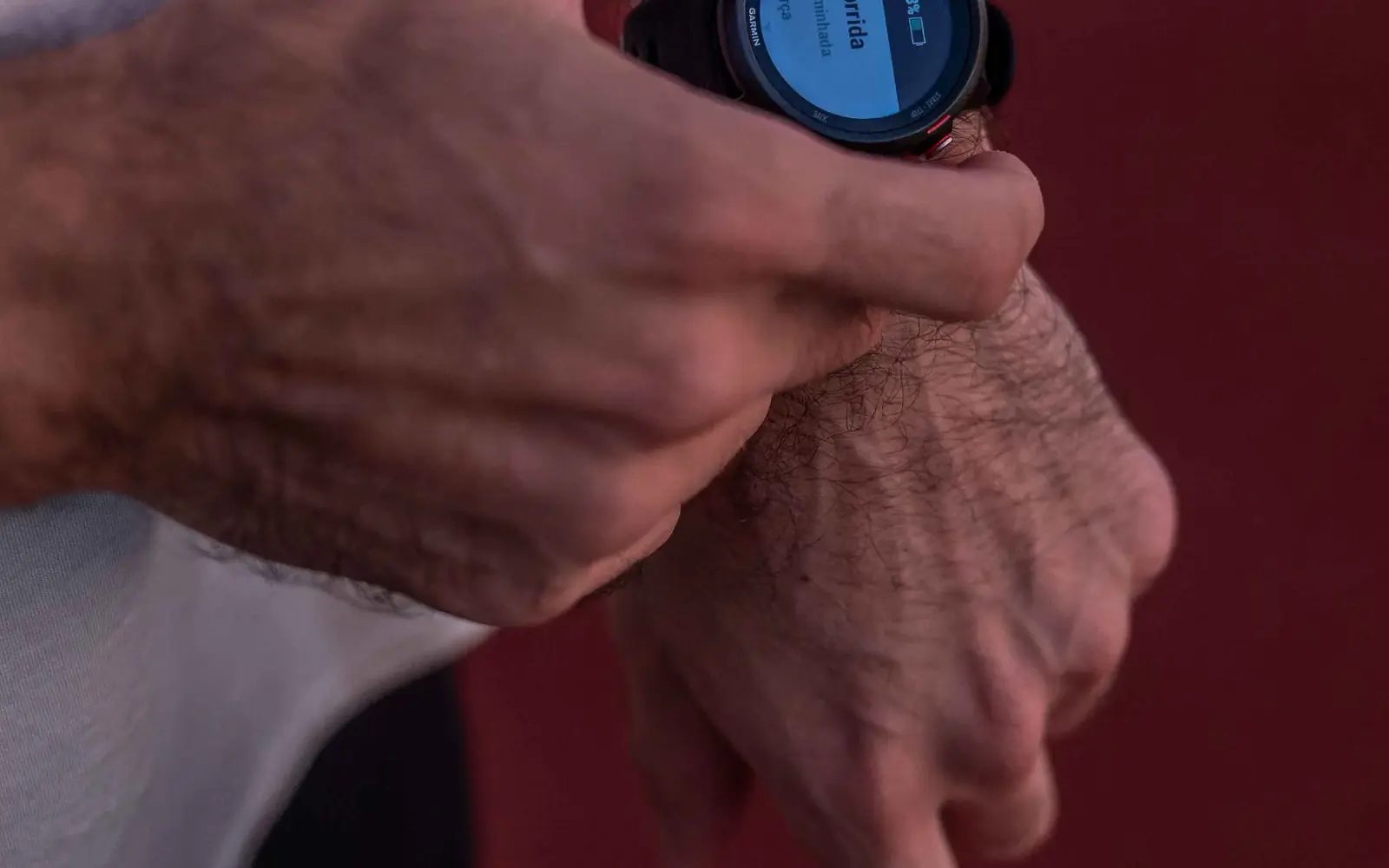
Tell the clinician whether pain began during or after effort, how fast it peaked, location, pulsating or pressure quality, duration, triggers, altitude, heat, hydration, caffeine, medication, neck symptoms, vision change, and prior migraine history. Record blood pressure only if doing so does not delay care. A wearable heart-rate trace may help establish timing but cannot distinguish a benign headache from bleeding or vascular disease.
Do not self-diagnose primary exercise headache
The formal diagnosis requires recurrent exercise-linked episodes and exclusion of secondary causes. Depending on the presentation, evaluation may involve neurologic examination and imaging or vascular testing. A familiar migraine can be worsened by activity, while cough or straining headaches have different classifications. New, changing, prolonged, or older-age-onset symptoms deserve especially careful review.
Manage only after medical clearance
For a diagnosed primary exercise headache, a clinician may discuss longer warm-ups, avoiding known triggers, modifying intensity in heat or altitude, and prescription prevention. Do not start indomethacin or another NSAID on your own; endurance athletes already face gastrointestinal and kidney considerations. Continue only the plan made for your diagnosis and review any increase in frequency or severity.
Build a conservative return
Resume with clinician guidance, easy duration, a gradual warm-up, and a partner or safe setting when appropriate. Avoid maximal testing until the pattern is understood. Keep a headache log covering load, weather, sleep, nutrition, caffeine, cycle timing when relevant, and symptoms. Stop immediately if the character changes or neurologic, cardiac, or systemic symptoms appear.
Coach’s field checklist
- Treat a first thunderclap or neurologic headache as an emergency.
- Record onset speed, duration, effort, heat, altitude, and associated symptoms.
- Obtain evaluation before calling the problem primary exercise headache.
- Return gradually and stop if the pattern changes.
Common mistakes
- Changing several variables at once.
- Using another athlete’s medication, equipment, or protocol.
- Treating one study average as an individual promise.
- Waiting until race week to test the plan.
- Ignoring severe, persistent, or worsening warning signs.
Coach’s bottom line
Define the guardrails, rehearse the decision in realistic conditions, and escalate symptoms that exceed normal training discomfort. The stopwatch is useful; it is not licensed to practice medicine.
FAQ
What is a thunderclap headache?
A severe headache that reaches maximum intensity very rapidly, typically within one minute; it requires emergency evaluation.
Can dehydration explain an exercise headache?
It may contribute, but it should not be used to dismiss a first, sudden, severe, or atypical headache.
Is primary exercise headache dangerous?
By definition it lacks an intracranial cause, but clinicians must first exclude dangerous secondary causes.
Can I take ibuprofen before hard workouts?
Do not self-prescribe preventive NSAIDs; discuss risks and alternatives with a clinician familiar with endurance exercise.
Related AltaBrio guides
- Triathlon Training Zones
- Weekly Triathlon Training Plan
- Triathlon Durability
- Return After Respiratory Illness
Image suggestions
Hero image: Adult triathlete and coach addressing exercise headache in triathletes.
Alt text: “Triathlete and coach discussing exercise headache in triathletes.”
Supporting graphic: Warning signs and decision steps.
Alt text: “Decision framework for exercise headache in triathletes.”
Sources
- International Headache Society: primary exercise headache criteria. Accessed November 11, 2026.
- Migraine and headache disorders related to exercise. Accessed November 11, 2026.
- Update on headaches associated with physical exertion. Accessed November 11, 2026.