Quick answer: A blinking rear light can improve conspicuity; it cannot make a distracted driver attentive or convert a bad road position into a safe one. Use front and rear lights that meet local law and manufacturer directions, aim them without blinding others, keep them charged, and combine them with bright clothing and predictable riding.
What the evidence actually says
NHTSA reports that active lighting improves bicyclist detection and recognition and cites controlled-trial evidence of fewer daytime crashes with flashing lights. It also emphasizes bright or fluorescent clothing, reflectors, equipment checks, hazard scanning, and communication. Visibility aids reduce risk; none guarantees that a driver sees or yields.
Meet the law first
Check current state and local requirements for white front light, red rear light or reflector, mounting, visibility distance, and flashing modes. Race rules may differ from traffic law. Do not assume a high-output trail lamp is legal or courteous on a road.
Mount and aim deliberately
Place lights where bodies, bottles, bags, wheels, and aero equipment do not block them. Aim the beam to be visible without dazzling oncoming road users. Secure mounts against vibration and confirm the light remains aimed in the riding position.
Manage runtime honestly
Compare claimed runtime with brightness and flash mode, cold weather, battery age, and total ride time. Start charged, carry a backup for long or remote rides, and inspect charging ports and seals. A light that dies at sunset was only daytime equipment.
Add passive visibility
Use bright or fluorescent colors by day and reflective material in low light. Maintain required reflectors and keep lenses clean. Contrast with the background matters, so black kit against shaded pavement is not an invisibility cloak worth testing.
Ride as if detection is uncertain
Use predictable lane position, scan intersections and driveways, signal, and avoid blind spots. Confirm turning vehicles have actually yielded. Lights support defensive riding and safer infrastructure; they do not replace either.
Race-day decision rehearsal
Turn daytime bike lights into a written if-then plan before the event. Decide what you will inspect, what early symptom or equipment change triggers a pause, who can help, and what finding ends the session. Rehearse the low-risk parts in ordinary training and record what happened. Keep the plan specific to your health, equipment, course, and professional advice. This is not pessimism; it is how experienced athletes protect decision quality when effort, noise, and sunk cost are all trying to vote.
Coach’s field checklist
- Confirm current lighting law and event rules.
- Mount, aim, and charge front and rear lights.
- Add bright and reflective visibility elements.
- Keep scanning and riding predictably.
Common mistakes
- Changing several variables at once.
- Using another athlete’s medication, equipment, or protocol.
- Treating one study average as an individual promise.
- Waiting until race week to test the plan.
- Ignoring severe, persistent, or worsening warning signs.
Coach’s bottom line
Define the guardrails, rehearse the decision in realistic conditions, and escalate symptoms that exceed normal training discomfort. The stopwatch is useful; it is not licensed to practice medicine.
FAQ
Do daytime lights prevent crashes?
They may improve detection and reduce risk, but they cannot guarantee driver response.
Should every light flash?
Use only modes allowed locally and appropriate for conditions and other road users.
Can a rear light be blocked by a saddle bag?
Yes. Check visibility from driver height after loading the bike.
Are lights enough at night?
No. Meet all legal lighting and reflector requirements and use safer routes and positioning.
Related AltaBrio guides
- Triathlon Training Zones
- Weekly Triathlon Training Plan
- Triathlon Durability
- Return After Respiratory Illness
Image suggestions
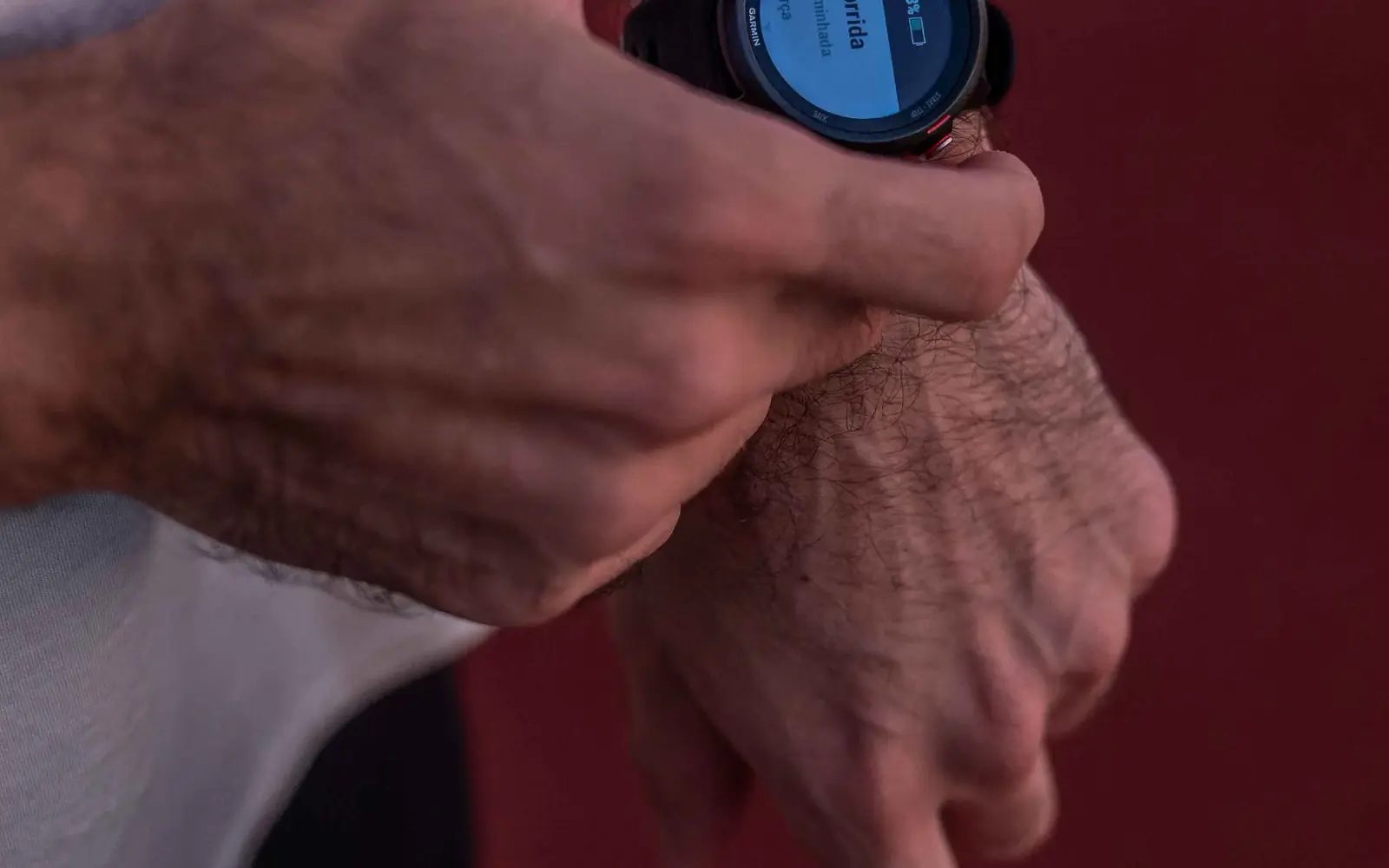
Hero image: Adult triathlete and coach addressing daytime bike lights.
Alt text: “Triathlete and coach discussing daytime bike lights.”
Supporting graphic: Warning signs and decision steps.
Alt text: “Decision framework for daytime bike lights.”
Sources
- NHTSA: active bicycle lighting laws and evidence. Accessed November 12, 2026.
- NHTSA bicycle safety guide. Accessed November 12, 2026.