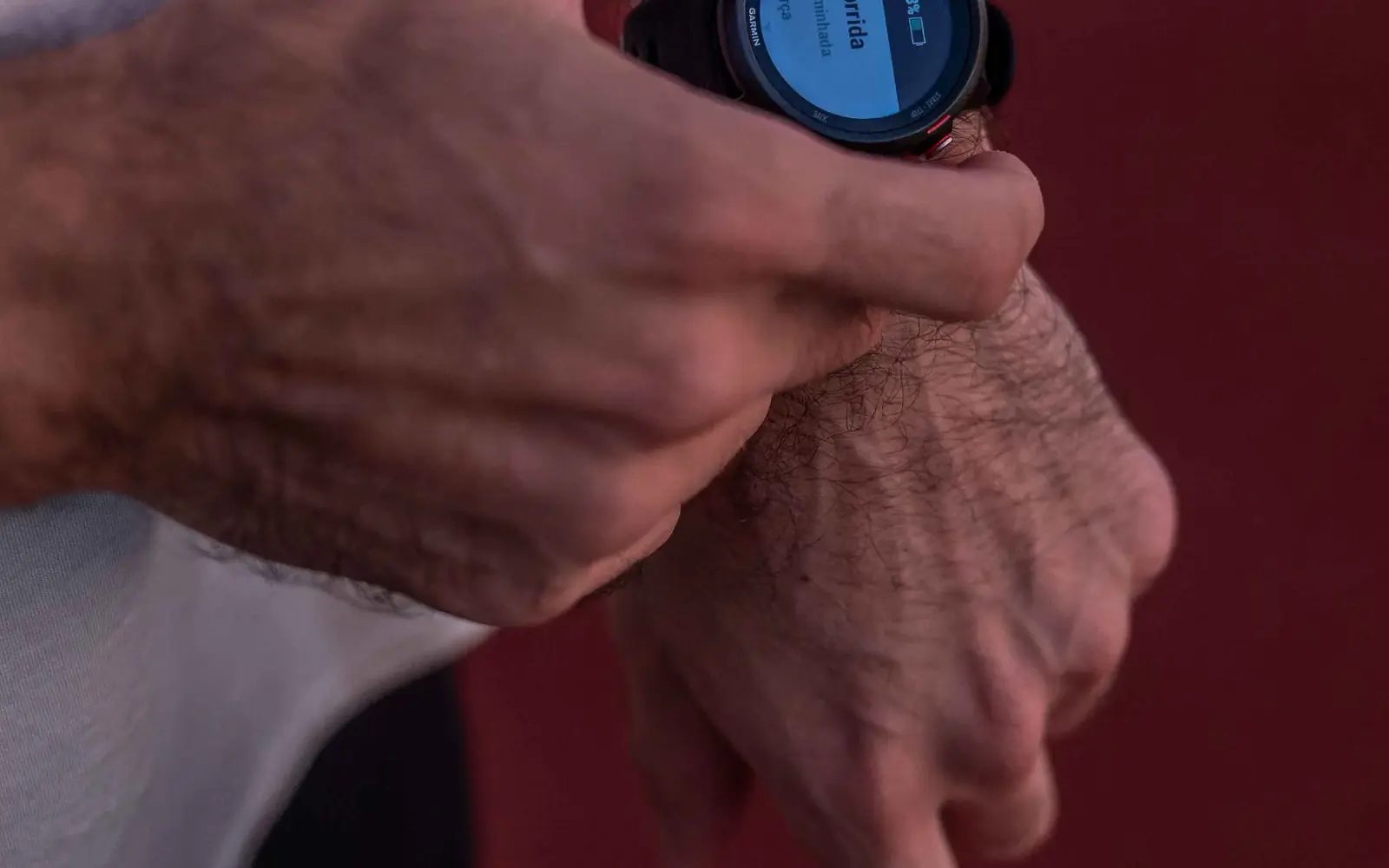
Quick answer: A numb forefoot at kilometer 70 does not become more useful because the bike split looks good. Cycling foot numbness or “hot foot” often reflects concentrated pressure, limited shoe volume, cleat position, swelling, or nerve irritation. The solution is a structured fit check—not cranking the closures tighter, adding random insoles, and hoping sensation returns before T2.
What the evidence actually says
A 2024 clinical series of 21 cyclists with pain localized during pedaling reported substantial improvement after assessment and rearward cleat repositioning, but the uncontrolled design cannot prove that every painful foot needs the same move. Laboratory work has also shown higher forefoot plantar pressure in very stiff carbon-soled shoes than plastic-soled shoes under the tested conditions. These findings support pressure management while leaving room for individual anatomy, shoe construction, and noncycling diagnoses.
Describe the exact symptom and location
Note whether the problem is numbness, burning, sharp pain, tingling, or pressure and whether it affects the toes, ball of the foot, lateral edge, or entire foot. Record time to onset, power, temperature, climbing, shoe closures, and whether standing helps. Persistent weakness, symptoms off the bike, marked asymmetry, skin color change, or severe pain deserves medical assessment rather than another cleat spacer.
Check shoe volume before buying stiffness
Feet swell during long rides and hot races. A shoe that feels race-snug in the garage can become a small carbon suitcase around the forefoot. Loosen the forefoot closure slightly, confirm adequate toe-box width and length, inspect sock folds, and remove unnecessary volume from thick inserts. Heel security matters, but the front of the shoe should not require a treaty with circulation.
Review cleat position as part of the system
A very forward cleat can increase load beneath the metatarsal region for some riders. Moving the cleat rearward may help, but it also changes joint mechanics, saddle relationship, and muscle demand. Mark the original position and make small measured changes with a qualified fitter when possible. Confirm both rotational alignment and side-to-side placement instead of solving one pressure problem by creating knee pain.
Separate pressure relief from padding
More padding can consume shoe volume and increase compression. Insoles may improve support and distribute load when properly selected, but soft material is not automatically better. Cleat hardware, insole edges, and shoe seams can create focal pressure. Evaluate the full stack with the foot in the shoe and under pedaling load. A stationary check should be followed by progressive outdoor rides, not an immediate five-hour race rehearsal.
Protect the run and seek care when needed
Foot sensation affects balance, mounting, and running mechanics. If numbness appears, reduce pressure early, adjust closures safely, and note whether symptoms resolve promptly. Recurrent symptoms, persistent numbness, weakness, sores, diabetes, vascular disease, or suspected nerve entrapment call for professional evaluation. A bike fit can address mechanics; it cannot diagnose every neurologic or circulation condition.
Coach’s field checklist
- Record the conditions, timing, and exact symptoms.
- Change one controllable variable at a time.
- Rehearse the response before race week.
- Escalate severe, persistent, or worsening warning signs.
Common mistakes
- Changing several variables at once.
- Using another athlete’s medication, equipment, or protocol.
- Treating one study average as an individual promise.
- Waiting until race week to test the plan.
- Ignoring worsening medical warning signs.
Coach’s bottom line
Define the guardrails, rehearse the decision in realistic conditions, and escalate symptoms that exceed normal training discomfort. The stopwatch is useful; it is not licensed to practice medicine.
FAQ
Should I loosen my cycling shoes during a race?
A small safe adjustment may relieve swelling-related pressure, but do not reach or look down where control is compromised.
Will moving cleats backward fix hot foot?
It can help some riders, but fit changes affect the entire system and should be measured and tested.
Are carbon soles always worse for numbness?
No. Stiffness, fit, pressure distribution, insole, and anatomy interact; a well-fitted stiff shoe can be comfortable.
When should numbness be medically evaluated?
When it persists off the bike, causes weakness, recurs despite fit changes, or is accompanied by color change, wounds, or severe pain.
Related AltaBrio guides
- Triathlon Training Zones
- Weekly Triathlon Training Plan
- Open-Water Swim Safety
- Return After Respiratory Illness
Image suggestions
Hero image: Adult triathlete and coach addressing cycling foot numbness in triathlon.
Alt text: “Triathlete and coach discussing cycling foot numbness in triathlon.”
Supporting graphic: Warning signs and decision steps.
Alt text: “Decision framework for cycling foot numbness in triathlon.”
Sources
- Effect of cleat position on foot pain in cyclists. Accessed November 11, 2026.
- Effects of cycling shoe stiffness on forefoot pressure. Accessed November 11, 2026.