Quick answer: Heartburn halfway through a brick is not proof that your stomach “cannot handle carbs.” Running impact, high intensity, recent food, abdominal pressure, aero position, and individual reflux disease can all contribute. The useful response is to change one variable at a time, preserve enough carbohydrate and fluid to train well, and involve a clinician when symptoms are frequent, severe, or accompanied by warning signs.
What the evidence actually says
Small physiology studies using pH monitoring and manometry show that vigorous running can increase acid exposure and reflux episodes while reducing esophageal clearance. Earlier work in trained runners and cyclists also found more reflux during strenuous exercise, especially after feeding. These controlled studies are small and do not identify one universal trigger. A 2026 practitioner guide recommends structured assessment, exercise-specific testing, targeted changes, and ongoing monitoring rather than indiscriminate food restriction.
Map the symptom before removing half the pantry
Record the discipline, intensity, body position, time since the last meal, carbohydrate source, fluid concentration, caffeine, medications, and symptom timing. Burning behind the breastbone, sour taste, regurgitation, belching, and upper-abdominal pressure are useful details. A two-week log often reveals whether the problem appears after large meals, only in aero, only above threshold, or only when a concentrated bottle and gels arrive together. That pattern is more useful than blaming “sensitive digestion.”
Give the pre-session meal enough runway
Large, high-fat meals empty more slowly and can be troublesome close to hard training. Start by moving a familiar meal earlier or reducing its size while keeping adequate carbohydrate across the day. Avoid testing a restrictive diet and a new fueling system simultaneously. Foods that trigger symptoms are individual; common suspects such as alcohol, peppermint, chocolate, spicy food, and acidic drinks are not mandatory bans for every athlete. Test the actual change in a repeatable session.
Separate concentration from total fuel
A bottle that is much more concentrated than practiced, several gels without enough water, or an overloaded aid-station grab can increase upper-gut discomfort. Spread intake, match products to available water, and rehearse at race intensity. The goal is not an empty stomach; underfueling can create a different race failure. If symptoms appear only when running, shift more carbohydrate delivery to the bike while still practicing tolerable run intake. Keep a record of grams per hour and fluid, not just product names.
Look at intensity and body position
Hard efforts can amplify reflux, and running adds repetitive movement. On the bike, a very closed hip angle or sustained aero position may increase perceived pressure for some athletes. Test whether a small posture change, a brief easy interval, or improved breathing control reduces symptoms without abandoning the race plan. Do not make a major fit change solely for reflux without a qualified fitter, and do not confuse exercise-related chest pain with ordinary heartburn.
Escalate persistent or suspicious symptoms
Frequent reflux, nighttime symptoms, painful swallowing, food sticking, vomiting blood, black stool, unexplained weight loss, anemia, or symptoms that keep returning despite sensible changes warrant medical assessment. Chest pressure with exertion, breathlessness, sweating, or pain radiating to the arm or jaw is an emergency until evaluated. Medication choices and timing should be discussed with a clinician; chronic self-treatment can mask another diagnosis and may interact with health conditions.
Coach’s field checklist
- Log intensity, position, meal timing, fuel concentration, and exact symptoms.
- Change one variable at a time in a repeatable brick session.
- Preserve adequate carbohydrate instead of solving heartburn with blanket underfueling.
- Seek medical care for persistent symptoms, swallowing problems, bleeding, weight loss, or exertional chest pressure.
Common mistakes
- Changing several variables at once and crediting the favorite one.
- Copying an elite protocol without matching course, duration, health, equipment, or training history.
- Treating a study average as a promise to an individual athlete.
- Waiting until race week to test execution.
- Ignoring new or worsening medical warning signs because the workout matters.
Coach’s bottom line
Use evidence to define the guardrails, rehearse the decision in conditions that resemble the race, and keep the plan flexible enough for the human inside it. The stopwatch is useful. It is not licensed to practice medicine.
FAQ
Does running cause more reflux than cycling?
Running impact and posture can be provocative, but individual responses vary. Test both disciplines under comparable feeding and intensity conditions.
Should I race fasted to avoid heartburn?
Usually not as a default. Long-course performance requires fuel; adjust meal timing, size, products, and delivery before removing intake.
Can an aero position worsen heartburn?
It can increase abdominal pressure or symptoms in some riders. Test small, safe position changes and review persistent issues with a clinician and fitter.
When is heartburn actually an emergency?
Exertional chest pressure, severe breathlessness, fainting, sweating, or pain radiating to the arm or jaw needs urgent medical evaluation.
Related AltaBrio guides
- Gut Training for Triathletes
- Low-FODMAP Race Week
- Fueling Frequency on the Bike
- NSAIDs and Triathlon
Image suggestions
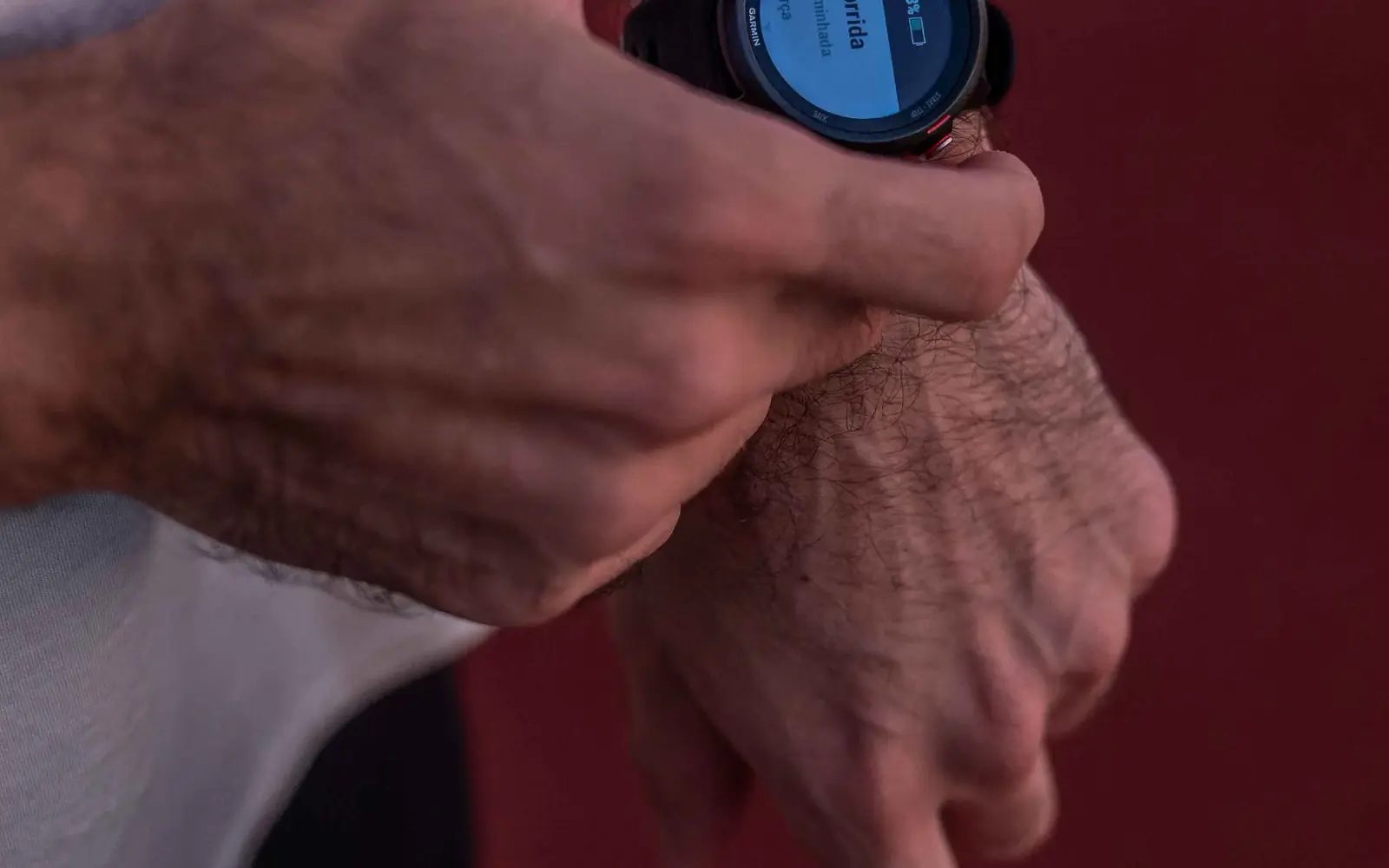
Hero image: Adult age-group triathlete and coach working on acid reflux during triathlon.
Alt text: “Triathlete and coach discussing acid reflux during triathlon.”
Supporting graphic: Risk signals, rehearsal, measurement, and decision steps.
Alt text: “Decision framework for acid reflux during triathlon.”
Sources
- Effect of running on gastroesophageal reflux and reflux mechanisms. Accessed November 11, 2026.
- Esophageal reflux in conditioned runners, cyclists, and weightlifters. Accessed November 11, 2026.
- A practitioner guide to managing gut issues in athletes. Accessed November 11, 2026.