
Quick answer: Durability is the ability to preserve performance after prolonged work. It is not simply threshold, VO2 max, or toughness. Two triathletes can look identical in a fresh twenty-minute test and become very different athletes after three hours of riding.
What the evidence actually says
A recent endurance-sport framework distinguishes durability, fatigability, repeatability, and resilience instead of treating every late-session decline as the same problem. A 2026 review of IRONMAN running likewise found that the field still lacks a single clean metric for the performance gap between an open marathon and the run after 180 km of cycling. The practical answer is to measure decay under controlled race-specific load.
What durability looks like in a triathlon
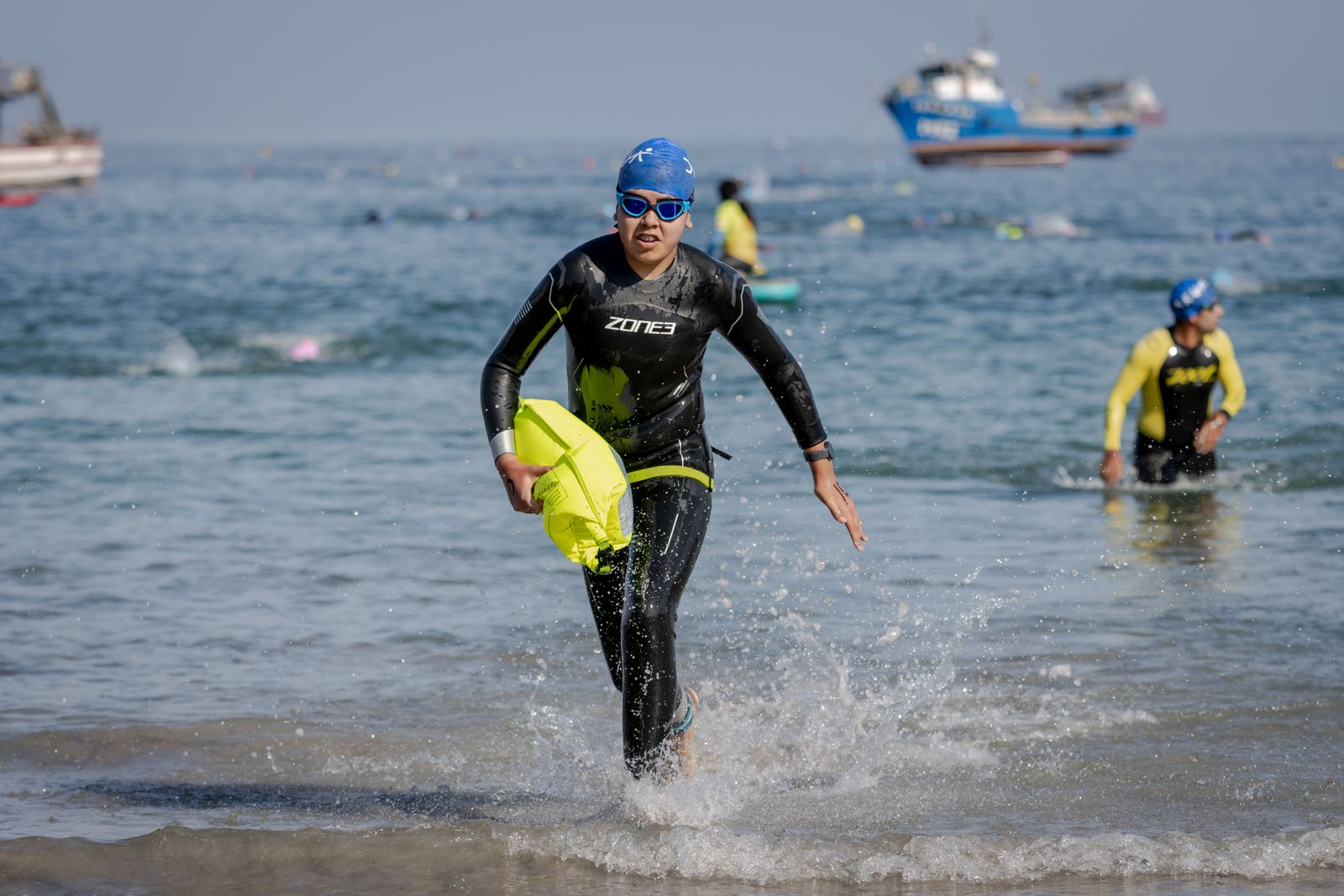
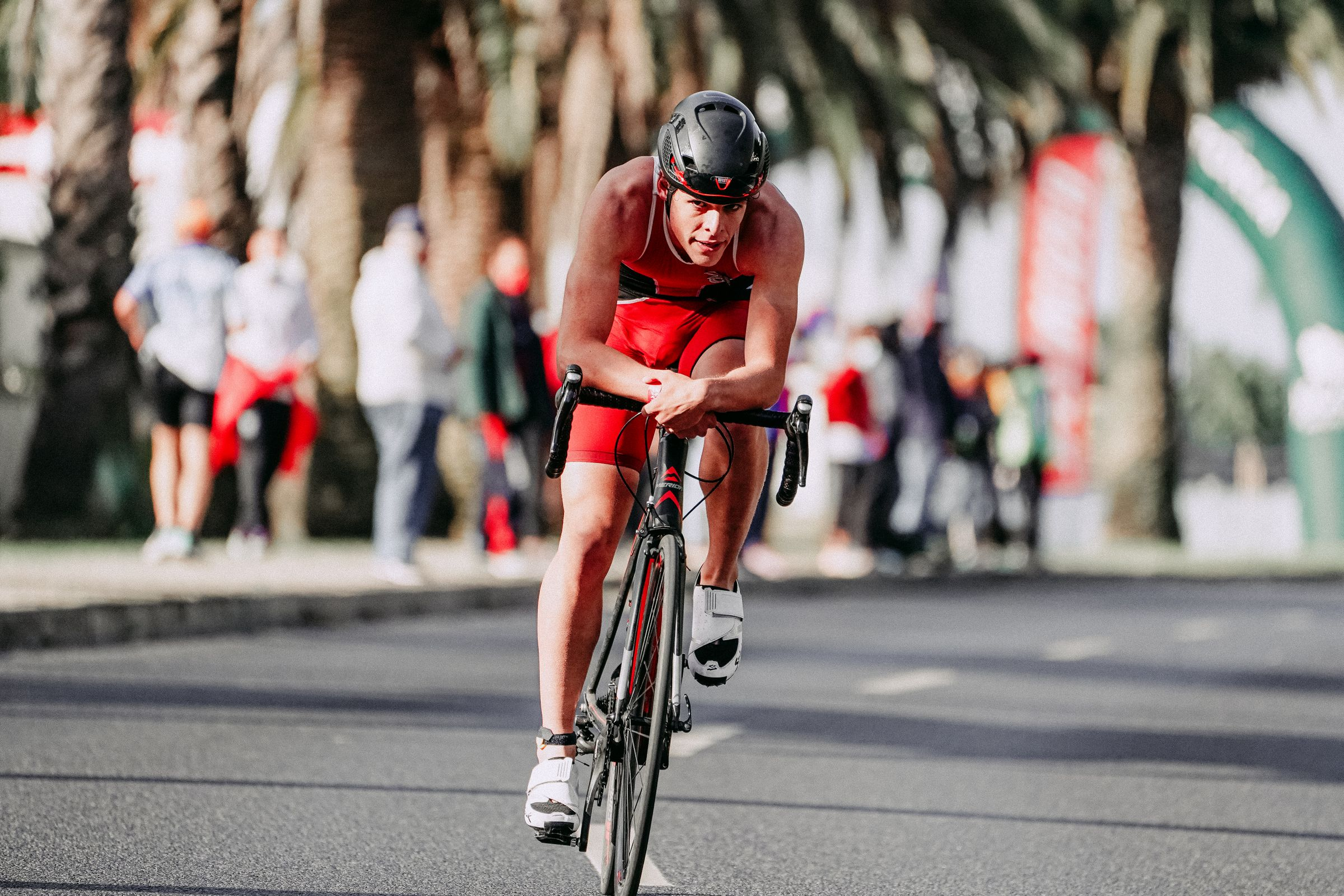
Watch what changes, not merely whether the athlete finishes. On the bike, compare power with heart rate and perceived effort across matched terrain. In the run, compare pace, cadence, posture, and fueling tolerance early versus late. In the water, look for stroke-rate or line-control decay after sustained work. A falling power-to-heart-rate ratio may reflect fatigue, but heat, dehydration, carbohydrate delivery, altitude, and sensor error can imitate it. Context gets a vote.
A repeatable durability session
Every 10–14 days, ride 90–150 minutes easy, then complete 3 × 12 minutes near planned 70.3 effort with four easy minutes between. Transition to a 20-minute controlled run: ten minutes easy, then ten minutes near goal long-course pace. Keep route, equipment, fueling, and weather as similar as practical. This is a diagnostic rehearsal, not permission to turn the last interval into a small civil war.
How to interpret the result
Compare the final work with a fresh reference session. If output fades while heart rate and RPE rise, first audit heat, fluid, carbohydrate, bike-position comfort, and early pacing. If output holds but mechanics deteriorate, strength endurance or technique may be the limiter. If the session improves only when the athlete over-recovers for it, the test may be too costly to repeat inside normal training.
Build the trait without wrecking the week
Progress duration before intensity. Add 15–20 easy minutes to the pre-load, or one controlled interval, but not both. Place the session far enough from the long run and key swim to protect the rest of the week. Most age-group athletes improve durability by stacking consistent aerobic work, adequate carbohydrate, sensible strength training, and disciplined opening pace—not by scheduling weekly survival contests.
Coach’s field checklist
- Record temperature, wind, route, power or pace, heart rate, RPE, cadence, and intake.
- Compare the first and final work bouts at matched output.
- Change one likely limiter and repeat under similar conditions.
- Stop for chest symptoms, unusual dizziness, loss of coordination, or an injury-altered gait.
Common mistakes
- Changing several variables at once and crediting the favorite one.
- Copying an elite protocol without matching context.
- Treating a laboratory average as an individual promise.
- Waiting until race week to test execution.
- Ignoring sleep, energy availability, illness, and training load.
Coach’s bottom line
Use evidence to frame a controlled decision, then let repeatable athlete response decide whether the idea earns a permanent place. The goal is a plan that still works when goggles fog, bottles bounce, and the legs begin submitting formal complaints.
FAQ
Is durability just fatigue resistance?
Fatigue resistance is part of it, but durability describes how physiological and performance characteristics change after accumulated work.
How often should I test it?
For most age-group triathletes, every 10–14 days is enough. The test should inform training without becoming the training plan.
What is a good decoupling number?
There is no universal cutoff. Compare repeatable sessions in similar conditions and interpret the trend beside RPE, fueling, heat, and actual performance.
Should I do durability work fasted?
Usually no. If the question is race execution, use the fueling plan you intend to race with.
Related AltaBrio guides
Image suggestions
Hero image: Adult age-group triathlete and coach testing triathlon durability training.
Alt text: “Triathlete and coach testing triathlon durability training.”
Supporting graphic: Evidence, rehearsal, measurement, and decision steps.
Alt text: “Four-step decision process for triathlon durability training.”
Sources
- Durability, fatigability, repeatability, and resilience in endurance sports. Accessed October 24, 2026.
- Running Performance Decline in IRONMAN-Distance Triathlon. Accessed October 24, 2026.