Quick answer: A blister is a tiny injury with an impressive ability to rewrite a long-course run. The practical target is not tougher feet by motivational speech; it is reducing repeated shear, moisture, pressure points, and exposure time before a hot spot becomes a fluid-filled negotiation with every step.
What the evidence actually says
A systematic review found limited high-quality evidence for socks, antiperspirants, and barriers, with moderate confidence that paper tape may help. One randomized ultramarathon trial reported a 40% reduction in blisters with targeted paper tape, while an earlier trial did not find a significant overall protective effect. A 2023 field study found previous blister history was the strongest risk marker. The mixed evidence favors athlete-specific testing at known sites.
Map where the problem actually starts
After long bricks and wet runs, record the exact toe, heel, arch, or forefoot location and whether the skin was wet, wrinkled, callused, or pressured. Check shoe length and width with race-day swelling, insole edges, seams, debris, and lacing. A shoe that is comfortable for 30 minutes may become a small humid argument after four hours.
Control moisture without inventing new friction
Use socks that fit without folds and shoes that drain after the swim and aid stations. Test whether changing socks in T2 helps at the target race duration. Powders, lubricants, antiperspirants, and specialty socks have inconsistent evidence and can create problems when untested. Apply only one change at a time during long training.
Tape known hot spots before they are hot
Paper tape is inexpensive and supported by some trial evidence, especially when applied smoothly to a previously blister-prone location. Clean and dry the skin, round tape corners, avoid wrinkles, and rehearse the exact method. Tape that rolls, traps grit, or shifts can become the thing it was hired to prevent.
Respond early and treat safely
At the first hot spot, stop long enough to dry the area, remove debris, adjust socks or lacing, and protect the site. Do not casually drain an intact blister in a dirty race environment. Increasing redness, warmth, pus, streaking, fever, severe pain, diabetes, poor circulation, or immune compromise warrants medical care. Follow event medical guidance.
How to test this without fooling yourself
Good coaching separates a useful experiment from a new habit. Hold the course, equipment, fueling, and preceding training as steady as practical; record the result; then repeat before changing the plan. One excellent day proves possibility, not reliability. One poor day may reflect sleep, illness, weather, or accumulated load rather than the idea itself.
Coach’s field checklist
- Map recurrent blister sites during long race-specific sessions.
- Verify shoe room, sock fit, drainage, seams, and lacing.
- Rehearse targeted tape or another single prevention method.
- Treat hot spots early and seek care for infection or high-risk medical conditions.
Common mistakes
- Changing several variables at once and crediting the favorite one.
- Copying an elite protocol without matching course, distance, health, or training history.
- Treating a small study average as a promise to an individual athlete.
- Waiting until race week to test execution.
- Ignoring sleep, energy availability, illness, pain, and accumulated training load.
Coach’s bottom line
Use evidence to frame a controlled decision, then let repeatable athlete response decide whether it earns a permanent place. The goal is not to win the internet argument. The goal is a plan that still works when goggles fog, bottles bounce, and the legs begin submitting formal complaints.
FAQ
Do double-layer socks prevent blisters?
Evidence for sock systems is mixed. Fit, moisture, shoe interaction, and individual history matter, so test them at race duration.
Should I use paper tape?
It is a reasonable targeted experiment for known hot spots, but trials conflict. Practice application and confirm it stays smooth.
Is lubricant better than powder?
No universal winner is established. Each changes friction and moisture differently and should be tested alone.
Should I pop a blister during a race?
Avoid casual drainage in an unclean setting. Event medical staff can assess size, location, infection risk, and safe treatment.
Related AltaBrio guides
- Triathlon Training Zones
- Weekly Triathlon Training Plan
- Gut Training for Triathletes
- Low Energy Availability for Triathletes
Image suggestions
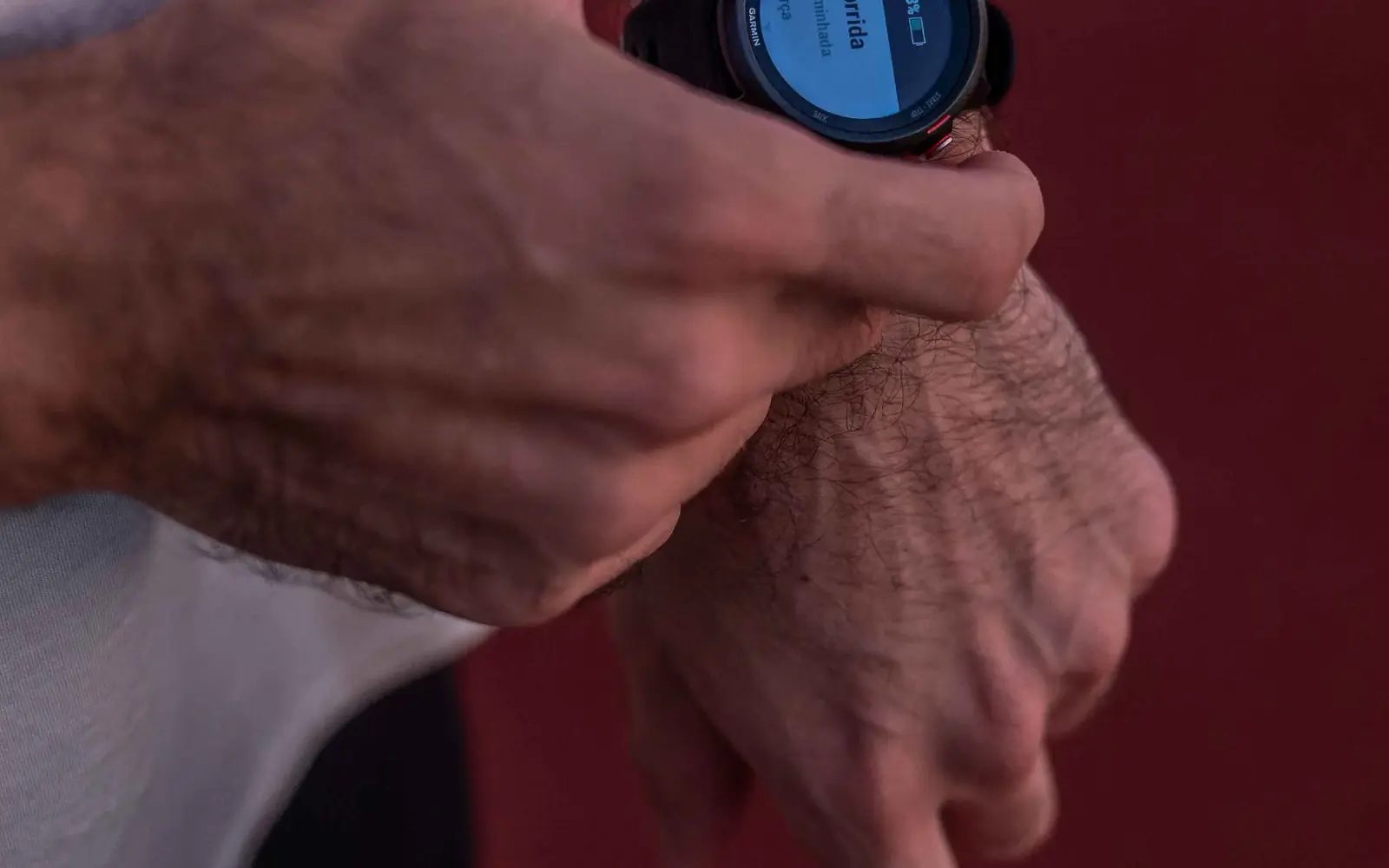
Hero image: Adult age-group triathlete and coach working on foot blister prevention for triathletes.
Alt text: “Triathlete and coach working on foot blister prevention for triathletes.”
Supporting graphic: Evidence, rehearsal, measurement, and decision steps.
Alt text: “Four-step decision process for foot blister prevention for triathletes.”
Sources
- Paper tape prevents foot blisters randomized trial. Accessed November 11, 2026.
- Prevention of friction blisters systematic review. Accessed November 11, 2026.
- Foot blister epidemiology and risk factors in trail ultramarathons. Accessed November 11, 2026.