Quick answer: Jet lag is not simply being tired in a different airport. Rapid time-zone travel misaligns the body clock with local time, while travel fatigue adds cramped sitting, poor sleep, logistics, and questionable terminal food. A good plan separates those problems and starts before the bike box meets baggage handling.
What the evidence actually says
The 2021 expert consensus on sleep in athletes describes jet lag as circadian misalignment after rapid transmeridian travel and notes that adjustment often takes roughly one day per time zone, with large individual variation. A systematic review found limited athlete-specific intervention evidence; carefully timed light and melatonin may help in some situations, while exercise and meal timing evidence is less certain. That uncertainty argues for a simple, rehearsed plan rather than a pharmacy experiment.
Count direction, time zones, and race time
Eastward and westward travel create different phase-shift demands. Write the destination wake time, bedtime, key daylight windows, and actual race start in both home and local time. An 8 a.m. start can feel like the middle of the night to the body even when the athlete has successfully found the transition area.
Protect sleep before departure
Do not begin the trip already sleep-deprived from packing at midnight. In the week before travel, preserve sleep opportunity and shift bedtime gradually only when the direction and schedule are clear. A short nap can manage travel fatigue, but long late naps may make local nighttime sleep harder. Keep caffeine strategic and early enough that it does not sabotage the next sleep window.
Use light deliberately
Light is the strongest practical cue for shifting the body clock, but the helpful timing depends on travel direction and current circadian phase. Seek or avoid bright light according to a reputable jet-lag schedule or professional plan. Sunglasses, indoor light, and screens can all alter exposure. Randomly adding maximum morning light can push the clock the wrong way.
Make arrival training boring
Use easy movement, daylight, food, hydration, and equipment checks to settle in. Avoid proving fitness with hard intervals after a poor flight. Schedule the first important session when local sleep and alertness improve, and rehearse a conservative option if the race arrives before full adjustment. Persistent insomnia or medication questions belong with a sleep or sports-medicine professional.
How to test this without fooling yourself
Good coaching separates a useful experiment from a new habit. Hold the course, equipment, fueling, and preceding training as steady as practical; record the result; then repeat before changing the plan. One excellent day proves possibility, not reliability. One poor day may reflect sleep, illness, weather, or accumulated load rather than the idea itself.
Coach’s field checklist
- Map home time, destination time, and race start before booking the plan.
- Protect sleep opportunity for several nights before departure.
- Use timed light from a credible schedule rather than guesswork.
- Keep first-arrival training easy and save decision energy for logistics.
Common mistakes
- Changing several variables at once and crediting the favorite one.
- Copying an elite protocol without matching course, distance, health, or training history.
- Treating a small study average as a promise to an individual athlete.
- Waiting until race week to test execution.
- Ignoring sleep, energy availability, illness, pain, and accumulated training load.
Coach’s bottom line
Use evidence to frame a controlled decision, then let repeatable athlete response decide whether it earns a permanent place. The goal is not to win the internet argument. The goal is a plan that still works when goggles fog, bottles bounce, and the legs begin submitting formal complaints.
FAQ
How early should I arrive?
More time zones generally require more adjustment time, but budget, direction, and individual response matter. The often-cited one-day-per-zone rate is only a rough guide.
Should I take melatonin?
Timing and dose matter, product quality varies, and medical or sport rules may apply. Discuss it with a qualified clinician rather than experimenting at the race.
Does flying west feel easier?
Many people find phase delays easier than phase advances, but individual schedules and race timing can reverse the practical advantage.
Can a hard workout reset my clock?
Exercise may influence circadian timing, but evidence is less actionable than timed light. Use training to maintain readiness, not as a guaranteed reset button.
Related AltaBrio guides
- Triathlon Training Zones
- Weekly Triathlon Training Plan
- Gut Training for Triathletes
- Low Energy Availability for Triathletes
Image suggestions
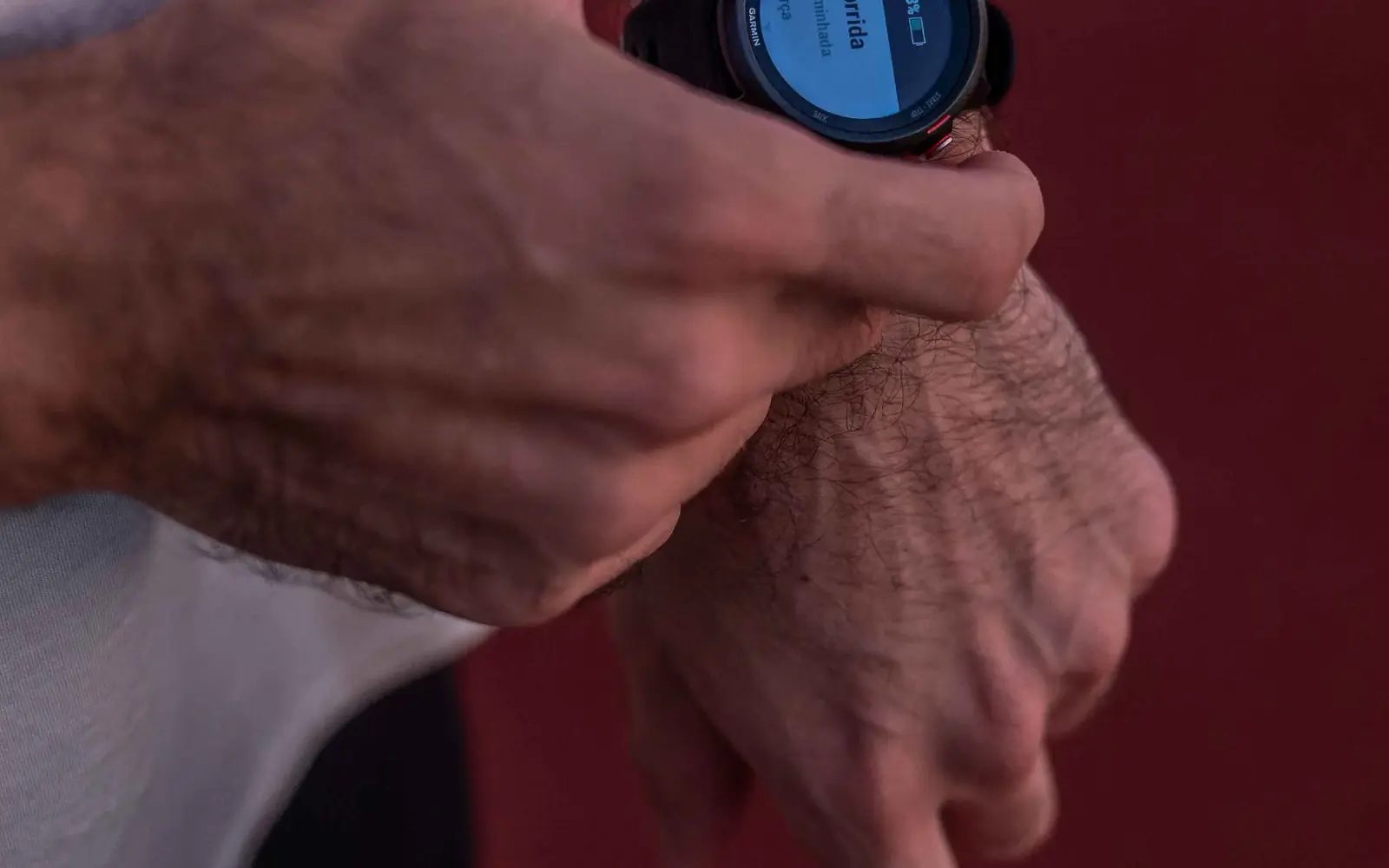
Hero image: Adult age-group triathlete and coach working on jet lag for triathletes.
Alt text: “Triathlete and coach working on jet lag for triathletes.”
Supporting graphic: Evidence, rehearsal, measurement, and decision steps.
Alt text: “Four-step decision process for jet lag for triathletes.”
Sources
- Sleep and the athlete: 2021 expert consensus recommendations. Accessed November 11, 2026.
- Managing Travel Fatigue and Jet Lag in Athletes: A Review and Consensus Statement. Accessed November 11, 2026.