Quick answer: The first kilometer off the bike lies convincingly. Legs feel wooden, speed can look cheap, and the crowd provides free pacing advice at a volume nobody requested. A rehearsed cap lets physiology settle before enthusiasm turns the remaining kilometers into negotiations.
What the evidence actually says
In a randomized study of highly trained male triathletes, starting the first run kilometer about 5% slower than open 10-kilometer pace produced a better overall triathlon run than starting 5% faster or 10% slower. Other work shows prior cycling increases the oxygen cost and alters mechanics of subsequent running. The precise 5% result should not be universalized, but it supports a controlled rather than aggressive opening.
Choose the cap before T2
Base the opening target on a recent open run, brick sessions, course grade, heat, and race distance. The cap can be pace, power, heart rate ceiling, or RPE, but it must work when GPS pace is noisy. For long-course racing, the right first kilometer may feel almost embarrassingly easy. Embarrassment is metabolically affordable.
Use a simple form scan
For the first two minutes, run tall, relax hands and shoulders, and let cadence emerge without forcing a long stride. Check that shoes are secure and nothing is causing sharp pain. Avoid trying to “fix” every sensation; altered mechanics after cycling are expected. The goal is stable movement, not looking elegant for the transition photographer.
Separate settling from fueling chaos
Finish essential bike fueling before dismount when the plan calls for it. In the first aid station, execute one practiced action rather than grabbing everything. Large gulps, abrupt stops, and an early pace surge combine poorly. Heat may require a slower cap, cooling, and earlier fluid; symptoms of heat illness require stopping and assistance.
Practice the first kilometer, not only the whole brick
After controlled rides, run 10–20 minutes with the first kilometer deliberately capped, then settle into goal effort. Compare perceived effort, breathing, split stability, and how the final five minutes feel. Practice on hills when the course starts uphill or downhill. A good cap is one the athlete can recognize without needing perfect device data.
How to test this without fooling yourself
Good coaching separates a useful experiment from a new habit. Hold the course, equipment, fueling, and preceding training as steady as practical; record the result; then repeat before changing the plan. One excellent day proves possibility, not reliability. One poor day may reflect sleep, illness, weather, or accumulated load rather than the idea itself.
Coach’s field checklist
- Set the first-kilometer cap before the race.
- Use RPE and breathing when GPS pace is unreliable.
- Keep the first aid-station action simple and rehearsed.
- Stop for chest pain, confusion, collapse, or injury-altered gait.
Common mistakes
- Changing several variables at once and crediting the favorite one.
- Copying an elite protocol without matching context.
- Treating a small study average as an individual promise.
- Waiting until race week to test execution.
- Ignoring sleep, energy availability, illness, pain, and training load.
Coach’s bottom line
Use evidence to frame a controlled decision, then let repeatable athlete response decide whether it earns a permanent place. The goal is a plan that still works when goggles fog, bottles bounce, and the legs begin submitting formal complaints.
FAQ
How slow should the first kilometer be?
One study supports roughly 5% slower than open 10-kilometer pace, but distance, heat, terrain, and athlete history must shape the target.
Why do my legs feel strange off the bike?
Cycling changes muscle recruitment, mechanics, and oxygen cost. The sensation usually settles with practiced pacing.
Should I force a high cadence?
No. Use relaxed quick steps and avoid overstriding, but do not chase an arbitrary number.
Can I make up time immediately after T2?
Usually the better opportunity is preventing an early overpace that costs much more later.
Related AltaBrio guides
- Triathlon Training Zones
- Weekly Triathlon Training Plan
- Triathlon Race Rehearsal
- Triathlon Durability
Image suggestions
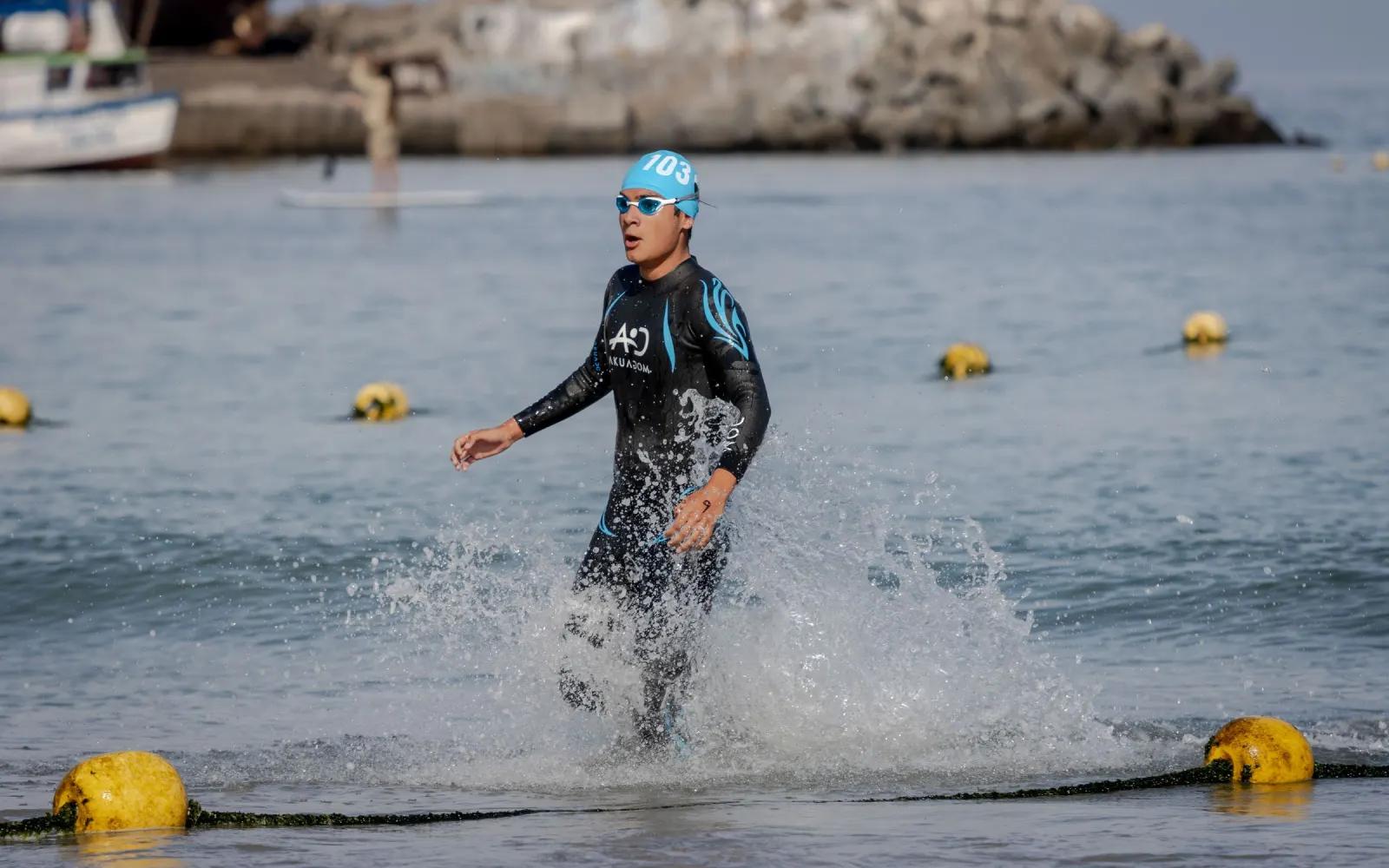
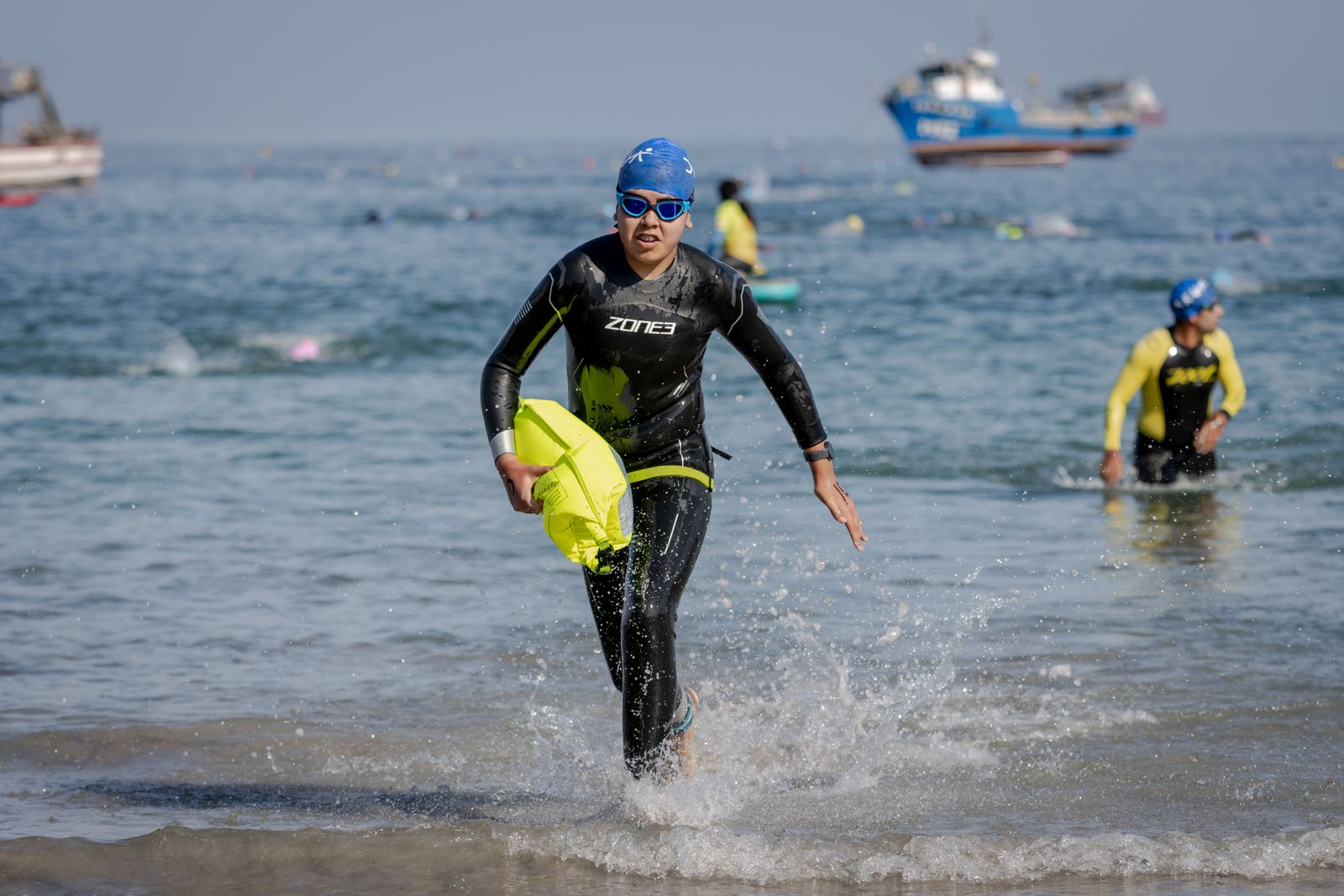
Hero image: Adult age-group triathlete and coach practicing triathlon run start pacing.
Alt text: “Triathlete and coach practicing triathlon run start pacing.”
Supporting graphic: Evidence, rehearsal, measurement, and decision steps.
Alt text: “Four-step decision process for triathlon run start pacing.”
Sources
- Initial run pacing in triathlon. Accessed October 27, 2026.
- Moderate cycling and subsequent running changes. Accessed October 27, 2026.
- Prolonged cycling and running mechanical efficiency. Accessed October 27, 2026.