
Quick answer: This is a practical guide to interpreting biomarkers alongside training, hydration, illness, and symptoms. Define the decision, run a controlled rehearsal, measure the athlete’s response, and keep only what improves execution without creating a new health, recovery, or logistics problem.
Triathlon rewards systems thinking. Swim, bike, run, fueling, equipment, recovery, and judgment all arrive on the same day. A promising average from a paper is a starting point—not a personalized prescription.
Why this matters now
Recent biomarker frameworks stress that athlete values change with exercise timing, hydration, inflammation, altitude, diet, and training phase. A result can be analytically real but meaningless without context; trends and clinical questions are more useful than indiscriminate panels.
The coaching question is not “Does this work?” in the abstract. It is “For which athlete, in which event, at what cost, and how will we know?”
The evidence-to-practice filter
- Population: Match training status, sex, age, and event demand.
- Outcome: Prefer race-relevant results over isolated surrogates.
- Size: Demand a benefit larger than normal daily variation.
- Cost: Count fatigue, GI risk, injury risk, expense, and complexity.
A statistically significant result can still be too small to matter. A modest average effect can be useful when the downside is low and the athlete responds consistently.
A coach’s testing protocol
Define the question before testing, standardize time of day and proximity to hard exercise, record hydration and illness, and use the same laboratory when possible. Review results with a qualified clinician who knows the athlete’s training.
Write the hypothesis before the session: “If this helps, we expect track the clinical question, collection conditions, symptoms, training load, and comparable longitudinal values.” Precommitting prevents a normal good day from being promoted into a miracle.
Keep the comparison honest
Match route or pool, time of day, preceding training, equipment, and environment. Do not test a new intervention beside three other changes.
Use a control range
Compare with several ordinary sessions. Sleep, stress, weather, motivation, illness, and measurement error all move endurance performance.
What to measure
Track the clinical question, collection conditions, symptoms, training load, and comparable longitudinal values. Add short notes on weather, sleep, prior-day training, and equipment.
- Did execution improve at the same or lower physiological cost?
- Did the athlete tolerate the intervention during and after the session?
- Would the plan still work under race logistics and stress?
A red flag on a portal is not a diagnosis, and a green dashboard is not proof that an exhausted athlete is fine.
Decision rules
Keep it
Keep the change when the benefit repeats, tolerance is good, and execution is simple.
Modify it
Change dose, timing, intensity, or frequency one variable at a time.
Drop it
Drop it when the effect is inconsistent, the cost is meaningful, or it distracts from a bigger limiter.
Escalate it
Do not self-treat abnormal blood results or delay care for severe symptoms, fainting, chest pain, or neurological changes.
Common mistakes
- Copying an elite protocol without matching context.
- Treating one score or workout as truth.
- Testing during a recovery week and crediting the intervention.
- Waiting until race week to discover a problem.
- Adding complexity before fixing pacing, fueling, sleep, or consistency.
A two-week implementation
Days 1–3: Define the question and collect a normal baseline.
Days 4–7: Run the first controlled test and record downstream cost.
Days 8–11: Resume normal training without adding more variables.
Days 12–14: Repeat or test one modification, then keep, change, or drop it.
Coach’s bottom line
Interpreting biomarkers alongside training, hydration, illness, and symptoms can be valuable when it solves a real problem and survives race-specific testing. Start with evidence and finish with the individual athlete.
FAQ
Should every triathlete use this approach?
No. Start with the athlete’s event, history, health, and current limiter. Use the protocol as a test, then keep it only if the data and experience support it.
How long should I test it?
Use at least two comparable sessions unless there is a safety or tolerance problem. One unusually good or bad day is weak evidence.
What should I change first?
Change one controllable variable at a time. Keep route, intensity, equipment, and fueling as consistent as practical so the result is interpretable.
When should I get professional help?
Do not self-treat abnormal blood results or delay care for severe symptoms, fainting, chest pain, or neurological changes.
Related AltaBrio guides
Image suggestions
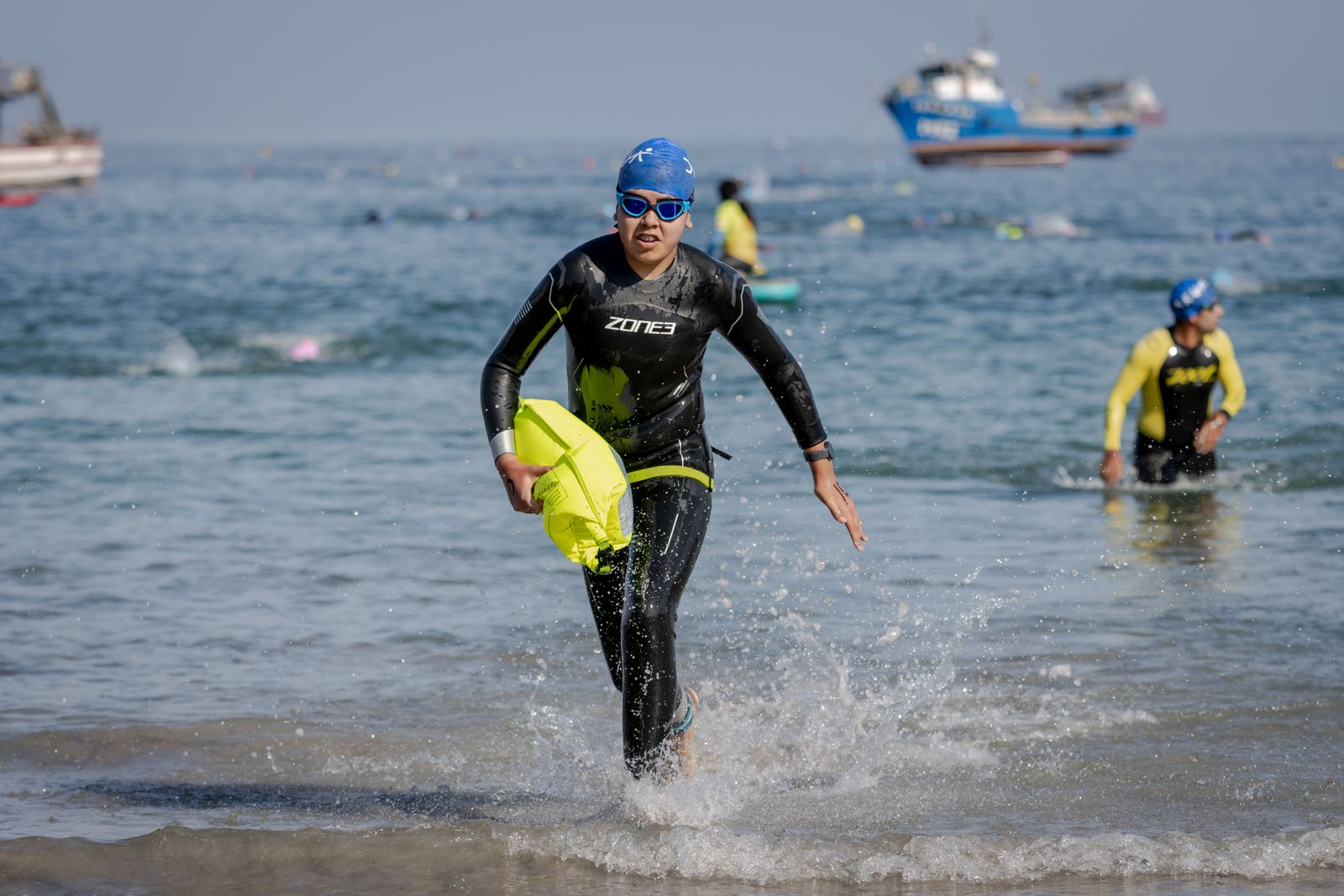
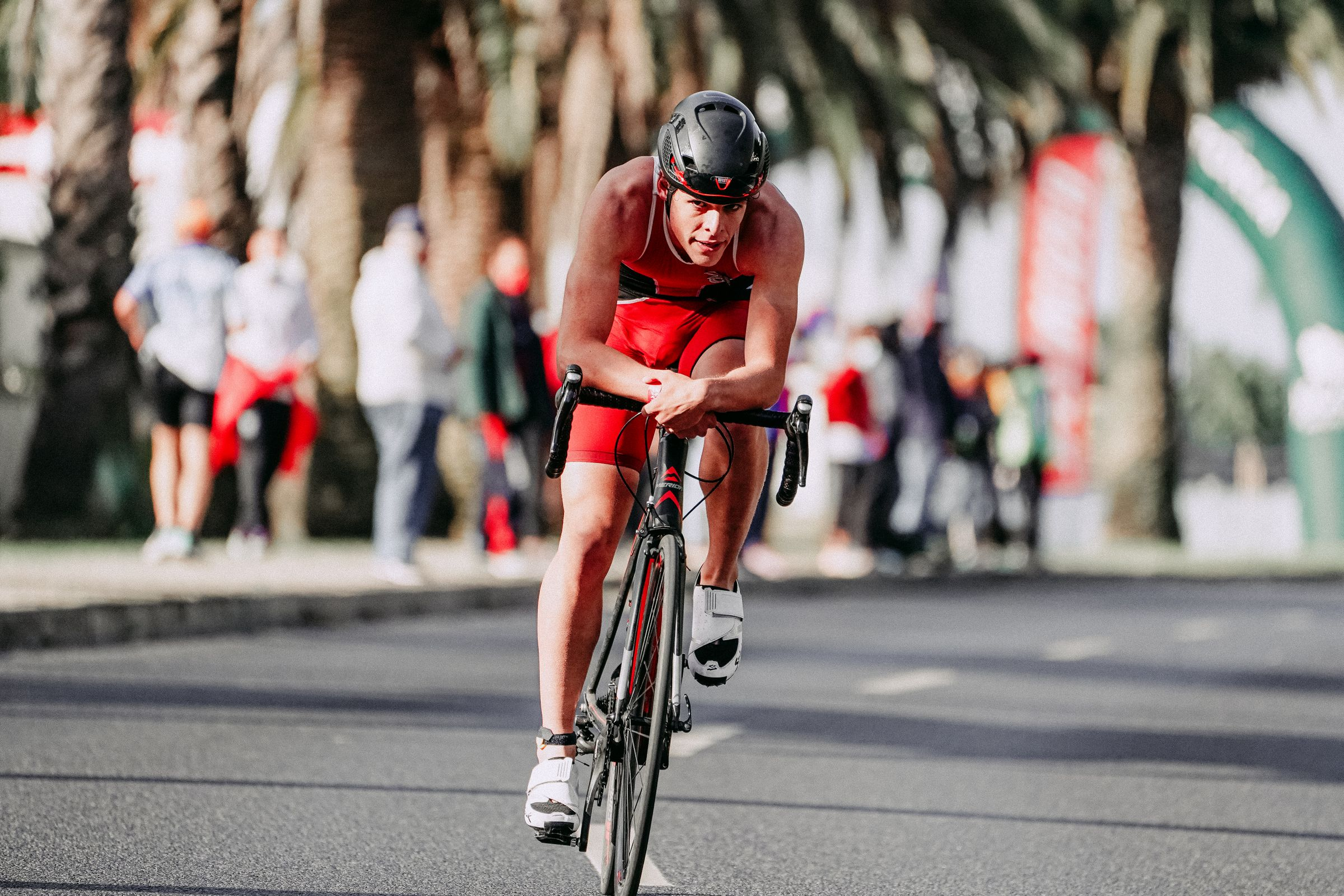
Hero image: Adult age-group triathlete and coach reviewing a race-specific test.
Alt text: “Triathlete reviewing athlete blood tests triathlon data with a coach.”
Supporting graphic: Define, test, measure, keep or modify.
Alt text: “Evidence-to-practice decision process for athlete blood tests triathlon.”
Sources
- Contextual Framework for Athlete Biomarkers. Accessed October 22, 2026.
- Dose-Response to Endurance Training in Elite Triathletes. Accessed October 22, 2026.